Hantavirus in the News: What International Travelers to China Should Know
Hantavirus is trending in Chinese media. Here's what it actually is, whether it affects travelers, and why it should not deter your medical trip to China — explained by infectious disease experts.
Hantavirus: Separating Fact from Fear
Recent news coverage of hantavirus in Chinese media has caught international attention. If you're planning a medical trip to China, you may be wondering: should I be concerned?
The short answer: No, but it's worth understanding. Here's a clear, fact-based breakdown from infectious disease experts at Tangdu Hospital (affiliated with the Air Force Medical University in Xi'an).
What Is Hantavirus?
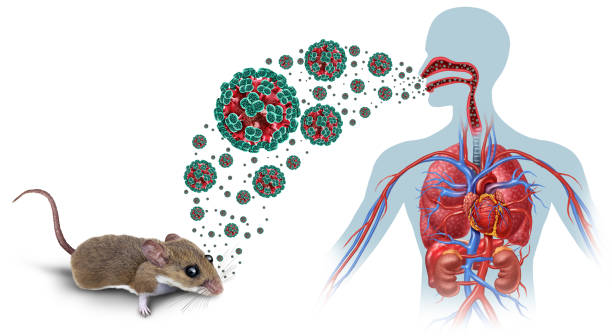
Hantavirus is a family of RNA viruses carried by rodents — primarily rats and mice. The rodents themselves don't get sick, but they shed the virus through urine, droppings, and saliva, contaminating their environment.
Humans can become infected by inhaling contaminated dust or through direct contact with rodent excretions. The virus can cause two distinct diseases:
| Disease | Key Symptoms | Fatality Rate | Present in China? |
|---|---|---|---|
| Hemorrhagic Fever with Renal Syndrome (HFRS) | Fever, bleeding, kidney failure | less than 1% with proper treatment | Yes (declining cases) |
| Hantavirus Pulmonary Syndrome (HPS) | Fever, respiratory failure, lung edema | 30-40% | No cases in China |
Does It Spread Person-to-Person?
In China, no. While certain strains (like the Andes virus in South America) have shown person-to-person transmission, the strains present in China (primarily Hantaan and Seoul viruses) have never been documented to spread between humans in China.
You cannot catch hantavirus from:
- Being near an infected person
- Sharing a hospital ward
- Using public transportation
- Eating at restaurants
How Do People Actually Get Infected?
The five transmission routes, in order of risk:
- Airborne (highest risk) — Breathing in dust contaminated with dried rodent droppings. This typically occurs in poorly ventilated spaces like unused warehouses, basements, or rural grain storage facilities — places travelers would never visit.
- Contaminated food/water — Consuming food or water contaminated by rodent excretions. This is prevented by eating at established restaurants and drinking bottled or boiled water.
- Direct contact — Touching rodent droppings, blood, or saliva with broken skin or mucous membranes. Handling wild rodents is the primary risk.
- Mite-borne (rare) — Mites that feed on infected rodents could theoretically transmit the virus to humans, but this is not a significant route.
- Vertical (mother-to-child) — Infected pregnant women may transmit to their fetus, but this is extremely rare.
Risk Assessment for International Medical Travelers
Your risk of hantavirus exposure while visiting China for medical treatment is effectively zero. Here's why:
- You'll be staying in hotels and hospitals — modern, clean, rodent-free environments
- You'll be eating at established restaurants with proper food safety standards
- You won't be visiting rural grain storage facilities, abandoned buildings, or rodent habitats
- Chinese cities like Beijing, Shanghai, Xi'an, and Guangzhou maintain rigorous urban pest control programs
Prevention Tips (General Travelers)

Even though the risk for medical travelers is negligible, here are sensible precautions:
- Drink bottled or boiled water (standard advice for all international travel)
- Eat at reputable restaurants — Avoid street food in rural areas
- Don't touch wild animals — Including rodents
- If bitten by a rodent (extremely unlikely): Wash the wound with soap and running water for 15+ minutes, disinfect with iodine solution, and seek immediate medical attention
What About HFRS in China?
China does have cases of Hemorrhagic Fever with Renal Syndrome, primarily in rural agricultural areas. However:
- Case numbers have been declining steadily for years
- The fatality rate with proper treatment is less than 1%
- China has a well-established surveillance and treatment system
- Urban areas where medical tourism occurs have minimal to no cases
The Bottom Line
Hantavirus is a rural, rodent-borne disease that poses no meaningful risk to international patients visiting Chinese cities for medical treatment. The current media attention is part of routine public health education — not an outbreak.
Your medical trip to China is safe. Focus on choosing the right hospital and treatment team — that's what actually matters.
Frequently Asked Questions
Should I cancel my medical trip to China because of hantavirus?
No. Hantavirus is not a new or emerging threat in China. It is a well-known endemic virus that primarily affects rural agricultural workers who have contact with rodent droppings. Urban areas, hospitals, and tourist destinations have essentially zero risk. Your medical trip to a major Chinese city is completely safe from hantavirus.
How is hantavirus transmitted and can I catch it in a hospital?
Hantavirus is transmitted by inhaling aerosolized particles from rodent urine, droppings, or saliva, or through direct contact with rodents. It is not transmitted person-to-person. Chinese hospitals maintain strict hygiene and pest control standards, making transmission in a medical facility virtually impossible. The virus is primarily a concern for people working in agricultural settings with rodent exposure.
What precautions should I take as an international traveler to China?
For hantavirus specifically, no special precautions are needed if you are staying in urban areas and hotels. General travel health advice applies: stay up to date on routine vaccinations, drink bottled or purified water in rural areas, and carry basic medications. If you plan to visit rural or agricultural areas, avoid contact with rodents and their droppings. SinomedTrip provides comprehensive travel health guidance for all medical tourists.
Are there any vaccinations available for hantavirus before traveling to China?
A hantavirus vaccine is available in China and some other Asian countries, though it is not widely available in Western countries. If you are planning an extended stay in rural areas of China, consult your travel medicine physician about obtaining the vaccine after arrival. For most medical tourists staying in urban areas and hospitals, the risk of hantavirus exposure is extremely low and vaccination is not routinely recommended.
What should I do if I develop flu-like symptoms after visiting rural areas in China?
If you develop sudden high fever, severe headache, muscle aches, abdominal pain, or notice any bleeding symptoms within 1 to 5 weeks of potential rodent exposure, seek immediate medical attention and inform the doctor about your travel history. Early diagnosis and supportive treatment significantly improve outcomes. Major Chinese hospitals are well-equipped to diagnose and treat hantavirus infections.
Have questions about traveling to China for treatment? Talk to our team →
This article is for informational purposes only and does not constitute medical advice. Always consult a qualified healthcare provider for diagnosis and treatment decisions.