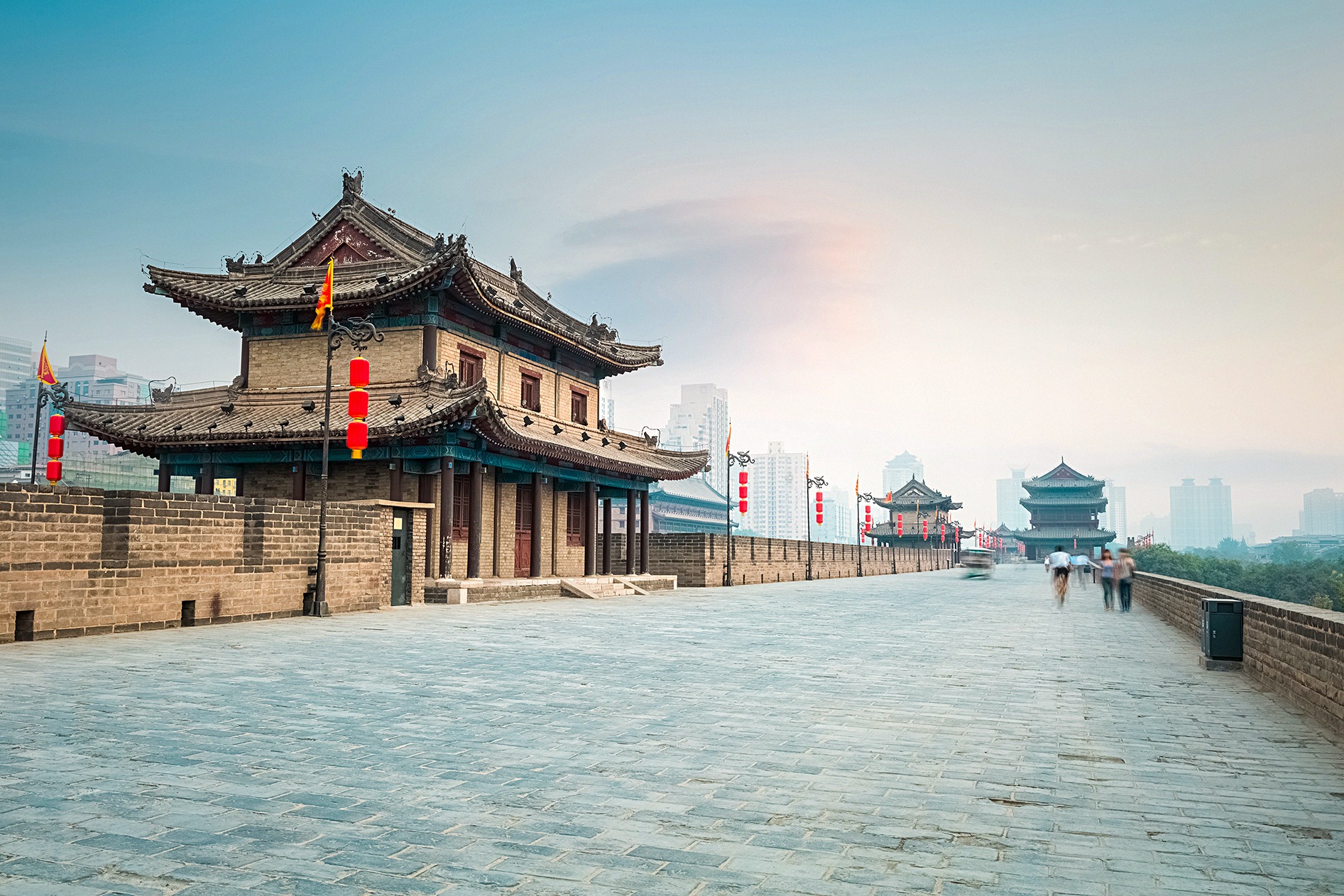
Recovering in Xi'an: 10 Things to Do While Healing (That Aren't Lying in Bed)
Read More
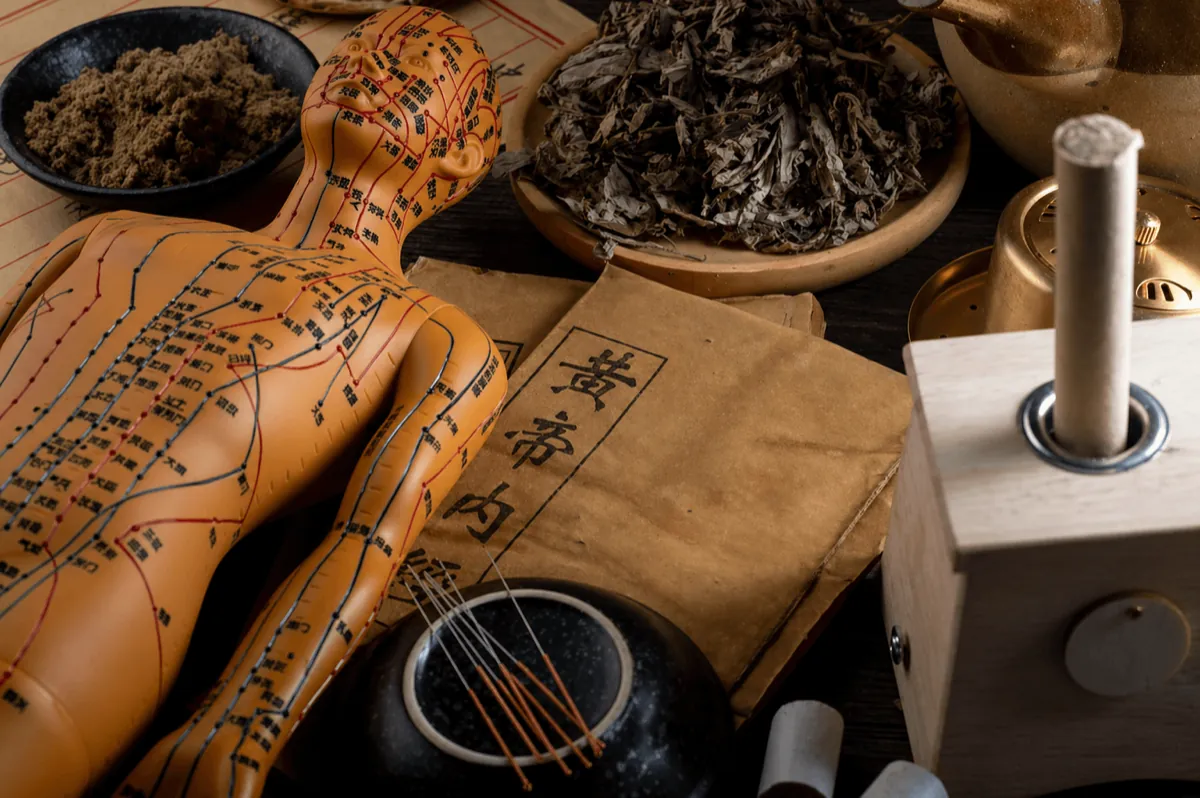
Multi-day immersive programs combining Traditional Chinese Medicine diagnosis, acupuncture, herbal therapy and qigong — paired with modern diagnostic review and Western-trained liaison physicians.
Design My RetreatEvery retreat is personalised, but these are the core elements every guest experiences.
Pulse, tongue and systems-based assessment — the foundation of any TCM program. Personalised treatment plan built on individual pattern.
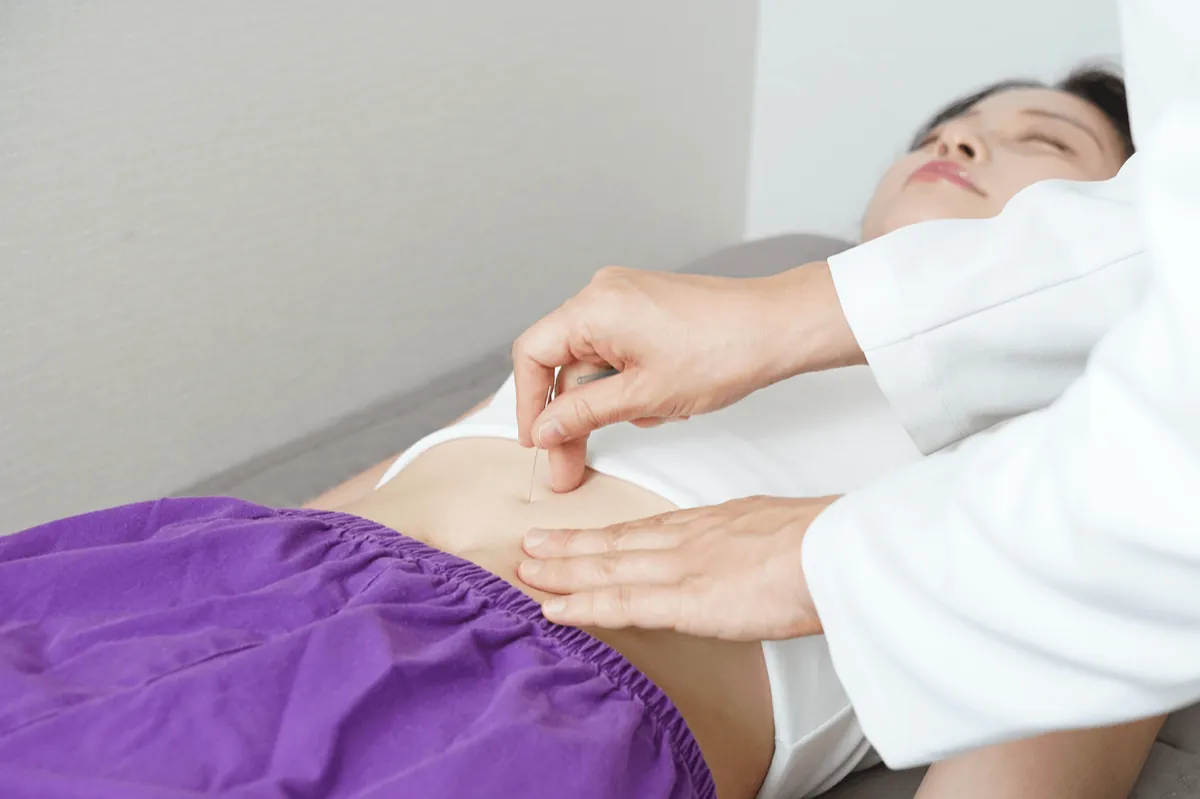
Precision needling protocols for pain, sleep, digestion and stress, delivered by senior TCM physicians with decades of clinical experience.
Individualised herbal formulas compounded from GMP-certified sources. Bridged with your Western medications where clinically appropriate.
Daily movement, manual therapy and dietary guidance — the lifestyle backbone that extends benefits far beyond the retreat.
Share your goals — stress, sleep, digestion, pain, hormonal, fertility — and we’ll design the retreat that best fits your needs and schedule.
Design My RetreatLast updated:
Traditional Chinese medicine (TCM) programs combine consultation, acupuncture, herbal medicine, massage and lifestyle guidance. In hospitals, TCM is typically offered as complementary care alongside conventional treatment, not as a replacement for it. Evidence for TCM varies by condition, and you should discuss any program with your own doctor before you travel.
Your conditions, medications and supplements, so interactions can be assessed.
A practitioner assesses your condition and proposes a plan that is explained, including any herbs.
Acupuncture, massage, herbal formulas and lifestyle guidance over the agreed period.
Any side effects are reviewed, and the plan is adjusted.
A summary you can share with your own doctor, with advice on what to continue.
TCM retreat costs depend on the length of the program, the hospital or clinic and whether accommodation is included, so we quote them individually. Ask for a written schedule that lists each treatment and any herbal preparations.
Reference ranges for planning only, in USD. Final quotes are issued by the treating hospital after reviewing your records, and depend on your diagnosis, procedure, room type and length of stay.
Leading TCM hospital
TCM hospital affiliated with the Shanghai University of Traditional Chinese Medicine
TCM and integrative medicine
Listed for general information about each hospital's published strengths. Inclusion is not a partnership, endorsement or referral claim, and availability must be confirmed with the hospital for your case.
Many TCM treatments, such as acupuncture performed by trained practitioners, have a good safety record, but herbal products can have side effects or interact with medicines. Always tell the practitioner about everything you take.
No. For serious conditions, TCM is generally used alongside conventional care, and you should not stop prescribed treatment without your doctor's advice.
Evidence varies by condition. Acupuncture has been studied most extensively, with benefits for some types of pain; evidence for many herbal treatments is limited. Ask what evidence supports a proposed treatment.
It depends on your goals. Programs range from a few days to several weeks, and it is better to agree a clear plan and review it than to commit to a long program upfront.
General information, not an individual diagnosis or treatment recommendation. SinomedTrip coordinates appointments and travel; licensed hospitals and clinicians make all medical decisions.