From Kyrgyzstan to Xi'an: How CAR-T Therapy Gave a 70-Year-Old a Second Life
Read More

Access the frontier of oncology. Bypass global waitlists for CAR-T, proton therapy, and advanced immunotherapies at premier Chinese medical centers.
Free ConsultationOf global CAR-T clinical trials are conducted in China.
Cost savings compared to identical US/UK treatments.
Waiting time for critical oncology evaluations.
Precision treatments available without the typical Western bureaucratic delays.
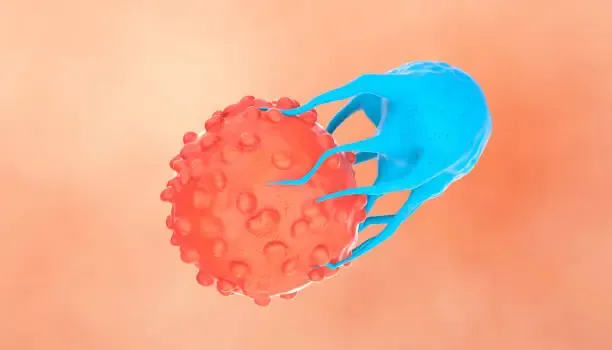
Engineering your own immune system to target hematological malignancies. China leads the world in CAR-T trials, offering broader access and newer generations of targets.
Ultra-precise radiation targeting solid tumors while sparing surrounding healthy tissue. Available at China's newest proton centers.
Novel checkpoint inhibitors — many approved in China ahead of Western markets — unlock the body's defenses against solid tumors.
Autologous and allogeneic transplants backed by extensive national donor registries and rapid processing for leukemia and lymphoma.
Submit your medical records securely for a comprehensive review by our oncology panel in Xi’an and Shanghai. Receive a preliminary strategy and cost estimate within 48 hours.
Request Confidential ReviewLast updated:
International patients can seek cancer care in China through surgery, radiotherapy (including proton therapy at a small number of centres), immunotherapy, targeted drugs, stem-cell transplant and, for some blood cancers, CAR-T cell therapy. Whether any of these is right depends on your cancer type, stage, prior treatment and overall health. The treating hospital decides eligibility, and the first step is a records review, not a booking.
Pathology report, imaging, treatment history, molecular test results and current medications.
The hospital's oncology team reviews your case, sometimes as a multidisciplinary discussion, and tells you whether it can help.
You receive a proposed plan, expected length of stay and an itemised quote before you decide to travel.
Arrival, interpreter support, staging tests where needed, then treatment under the hospital's team.
An English discharge summary, imaging and a follow-up plan to share with your own oncologist.
| Procedure | China | United States |
|---|---|---|
| Cancer surgery | $15,000 – $30,000 | $100,000 – $300,000 |
| CAR-T cell therapy (full course) | $60,000 – $90,000 | $373,000 – $475,000 |
| Proton therapy (about 30 fractions) | $40,000 – $55,000 | $100,000 – $150,000 |
Immunotherapy and targeted drugs are priced per drug and per cycle, so they are quoted individually after review.
Reference ranges for planning only, in USD. Final quotes are issued by the treating hospital after reviewing your records, and depend on your diagnosis, procedure, room type and length of stay. See also our pricing overview.
Leading comprehensive hospital with multidisciplinary programs for complex cases
Large dedicated cancer centre with radiotherapy and interventional oncology
Strong in hepatobiliary and digestive oncology
Tumor ablation and bladder-preservation work reported in our news coverage
Listed for general information about each hospital's published strengths. Inclusion is not a partnership, endorsement or referral claim, and availability must be confirmed with the hospital for your case.
Some CAR-T products are approved in China for certain relapsed or refractory blood cancers, and others are available through clinical trials. Eligibility depends on your cancer type, previous treatment and fitness, and it is decided by the hospital after reviewing your records.
It depends on the treatment. Surgery usually needs a hospital stay of days to a couple of weeks plus recovery; a radiotherapy course can run several weeks; CAR-T involves collection, manufacturing and monitoring and often takes a month or more. The hospital will give you a realistic schedule with your quote.
The full pathology report, recent imaging (original discs or DICOM files where possible), a summary of previous treatments, any molecular or genetic test results, and your current medications and allergies. Do not stop any current treatment while you explore options.
Yes. You should receive an English discharge summary, imaging and a follow-up plan. Many patients continue maintenance therapy or surveillance at home, and it helps to tell your oncologist before you travel.
General information, not an individual diagnosis or treatment recommendation. SinomedTrip coordinates appointments and travel; licensed hospitals and clinicians make all medical decisions.