8 Myths About Cancer Treatment in China for Foreigners
Is cancer treatment in China for foreigners safe, current and affordable? We tackle 8 common myths with specific facts, from drugs and doctors to language and cost.
8 Myths About Cancer Treatment in China for Foreigners
We hear these from families every week, usually at the worst possible moment: right after a diagnosis. Some of the worries are fair. Many are out of date. Here are the eight we hear most, and what's actually true.
1. "Chinese hospitals are years behind Western cancer centres."
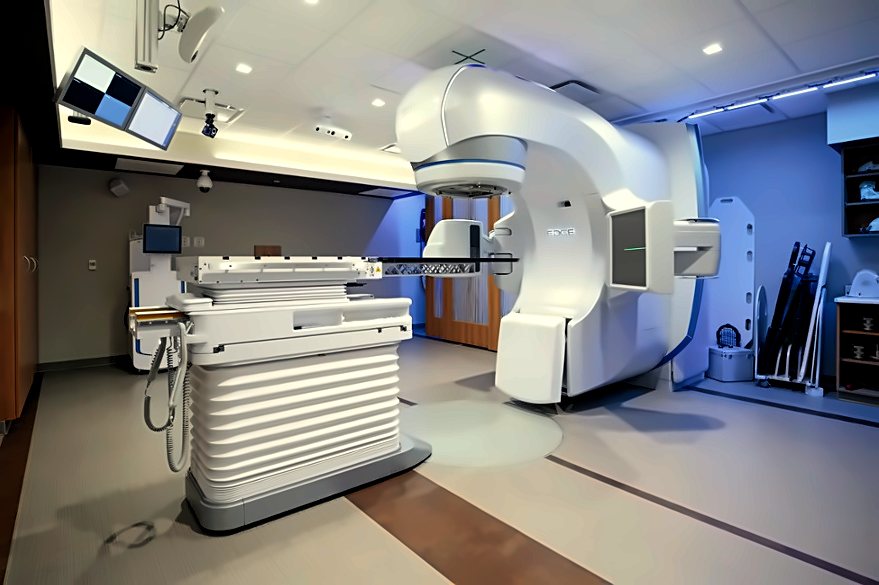
Not for most mainstream cancer care. Leading Chinese cancer centres use the same major platforms, including da Vinci robotic systems, Varian and Elekta linear accelerators, PET-CT, and next-generation sequencing. Several Chinese centres are also running cell therapy trials at a scale few Western hospitals can match. Quality varies by hospital, so the right question is which hospital, not which country.
2. "They only use traditional Chinese medicine."
Oncology in China is built on the same evidence-based pillars as everywhere else: surgery, chemotherapy, radiotherapy, targeted therapy and immunotherapy. Traditional Chinese medicine, where it is offered, is typically used as supportive care alongside standard treatment, not instead of it. You can decline it entirely.
3. "The newest drugs aren't available to foreigners."
Many are, and some arrive earlier than you'd think. Several PD-1 inhibitors and CAR-T products were developed in China and are used there routinely. Others are available through clinical trials, where international patients may be eligible if they meet the criteria. What's available depends on your cancer type and stage, so ask for the specific drug names rather than a general promise.
4. "It's only cheap because the quality is lower."
Cost differences come from structure, not shortcuts. Lower labour costs, high patient volumes and regulated service fees explain most of the gap. For example, a full CAR-T course in China is commonly quoted at around $60,000–$90,000, compared with $373,000–$475,000 in the US. Our CAR-T cost breakdown shows the line items.
5. "I won't understand anything, and nobody will understand me."
The language gap is real, but it's solvable. Senior oncologists at international departments generally speak good English, and nursing staff may not. That's why a dedicated medical interpreter and coordinator matter. At every consult, imaging review and consent discussion, you should have someone translating in real time. If your hospital can't offer that, don't go.
6. "I'd have to go alone, with no family."
Companions are welcome, and strongly encouraged. Most hospitals allow a family member to stay in the ward or in nearby accommodation. Companion invitation letters are typically processed together with the patient's. Chemotherapy and recovery weeks are much easier when someone you love is in the room.
7. "My home oncologist won't work with a Chinese team."
Most do, if you hand over complete records. Bring your pathology reports, imaging discs and treatment history. In return, ask the Chinese team for an English discharge summary, imaging, lab results and a medication plan. Many patients return home to continue maintenance therapy or surveillance with their own doctor. Tell your home oncologist before you go, not after.
8. "Treatment starts months after arrival, like at home."
Starting quickly is one of China's real advantages. At many large centres, an international patient can have a multidisciplinary review within days of arrival, and treatment can start within one to two weeks, depending on how complete your records are. For cancers where timing matters, that matters. But speed is never a reason to skip a thorough staging workup.
A Healthy Dose of Skepticism
You should be sceptical. Ask for the hospital's name and accreditation, the treating doctor's credentials and case volume, an itemised written quote, and a clear explanation of what happens if something goes wrong. A reputable team will answer all of that without hesitation.
If you'd like a second opinion on your case, you can send your reports through our free consultation form or explore our cancer and CAR-T treatment program. For one example of how these costs and options work in practice, see our proton therapy cost guide.
This article is for general information and is not medical advice. Cancer treatment decisions should always be made with your treating oncologist.
This article is for informational purposes only and does not constitute medical advice. Always consult a qualified healthcare provider for diagnosis and treatment decisions.