IVF in China at 39: My Two Trips, Real Costs and Success Rate
An American patient's IVF diary from a Xi'an reproductive center — stimulation, egg retrieval, PGT-A, the transfer, and what IVF success rates in China really look like.
IVF in China at 39: My Two Trips, Real Costs and Success Rate
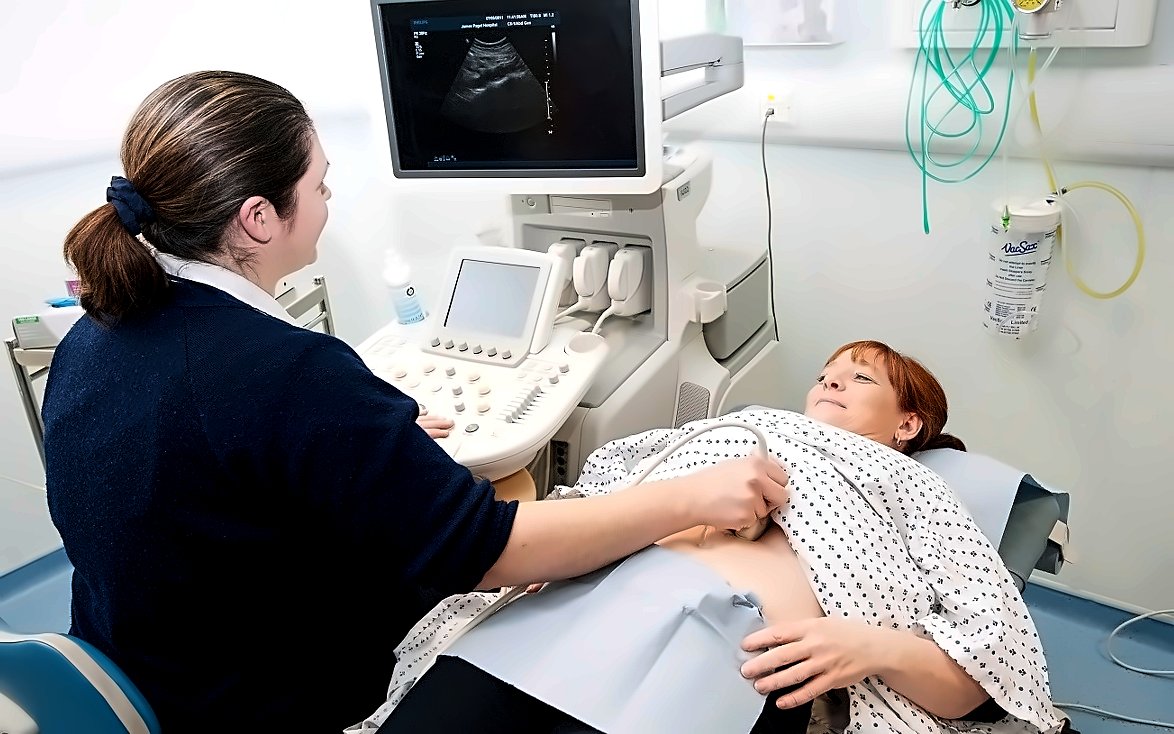
The ultrasound gel in Xi'an is warm. That was the first thing I noticed. In Phoenix it was always cold enough to make me flinch, and after three years of fertility appointments I'd stopped expecting anyone to think about details like that.
Dr. Wang — small, brisk, with reading glasses pushed up into her hair — turned the screen toward me and counted out loud in English. "Seven, eight… nine follicles. Good. Better than your last report said."
I was 39, with diminished ovarian reserve (my AMH was 1.1), one failed IVF cycle in Arizona behind us, and a quote for the next round that made my husband Tom go quiet for a full day: $27,800, before genetic testing and medications.
This is the honest diary of how we ended up doing IVF in China instead — including the parts that were hard.
Before We Went: Paperwork and Doubts
China allows IVF for foreign patients, but only for legally married couples. We needed our marriage certificate with an apostille and certified Chinese translation, both passports, and recent blood work (HIV, hepatitis B and C, syphilis) for both of us.
Our coordinator sent a checklist on day one and reviewed every document before we booked flights. That saved us — our first translation was missing a notary stamp.
My biggest doubt was success rates. I'd read numbers online ranging from 30% to 70% and didn't trust any of them. Dr. Wang's answer in our video consultation was the first one that sounded real: "For your age and AMH, about 35 to 45 percent per transfer with a genetically tested embryo. If we get no normal embryos, we tell you honestly and we talk about next steps."
Day 1 (March 3): Baseline Scan
Jet-lagged and nervous. Blood draw at 8 a.m., ultrasound at 9, results by 11. That speed became a theme — in Phoenix I waited days for labs. Here, the reproductive center has its own lab on the same floor.
Dr. Wang chose an antagonist protocol with higher-dose stimulation. A nurse taught me the injections with an orange and a lot of hand gestures. Tom filmed it on his phone so we'd remember.
Days 2–10: Stimulation
The routine: injections at 8 p.m. in our serviced apartment, scans every second morning. The clinic was crowded — mostly Chinese couples, a few from Russia and Kazakhstan — but international patients had a separate waiting room with a coordinator who translated everything.
Day 6 was bad. I was bloated, emotional, and convinced it wasn't working. I cried in the elevator. Our coordinator, Lily, bought me a bag of Xi'an persimmon cakes and sat with me for twenty minutes without saying anything useful, which was exactly right.
By day 10 there were eleven follicles over 14mm. Trigger shot that night at exactly 9:30 p.m.
Day 12 (March 14): Egg Retrieval
Light IV sedation, about twenty minutes. I woke up to a nurse holding a slip of paper: 10 eggs retrieved. Tom had already done his part that morning.
Recovery took two hours. Lunch was rice porridge, steamed buns and a hard-boiled egg — an odd choice on egg retrieval day, but I ate all of it.
Days 13–18: The Waiting Game
The embryology lab sent updates through our coordinator every day:
- Day 1: 8 eggs fertilized (ICSI)
- Day 3: 6 embryos developing
- Day 5–6: 4 blastocysts biopsied for PGT-A, then frozen
We flew home on day 18. Two weeks later, the email came: 2 chromosomally normal embryos. Tom read it twice, then handed me the phone and walked into the backyard.
Second Trip (May 9–14): The Transfer
We came back eight weeks later for a frozen embryo transfer. Five days of estrogen and progesterone prep at home, under remote monitoring, then a lining check on arrival.
The transfer itself took about ten minutes. I watched the tiny flash of light on the ultrasound screen as the embryo was placed. Dr. Wang squeezed my shoulder. "Now, be boring for two weeks."
We spent the next four days being boring in Xi'an — slow walks on the city wall, too many dumplings, a gentle tai chi class in the park outside our apartment.
Day 23 After Transfer: The Number
Blood test at a lab in Phoenix. hCG: 312. The clinic in Xi'an called within an hour of us sending the result — at 2 a.m. their time.
The Bill
| Item | Xi'an, China (USD) | Phoenix quote (USD) |
|---|---|---|
| Consultations, monitoring, blood work | $1,100 | $2,500 |
| Stimulation medications | $2,300 | $5,500 |
| Egg retrieval + ICSI + embryo culture | $3,900 | $14,800 |
| PGT-A (4 embryos) | $2,400 | $4,800 |
| Freezing + 1 year storage | $450 | $1,200 |
| Frozen embryo transfer | $1,400 | $4,800 |
| Medical total | $11,550 | $33,600 |
| Flights (2 trips, 2 people) | $4,600 | — |
| Serviced apartment (24 nights) | $1,750 | — |
| Coordinator + translation | Included in package | — |
| Grand total | $17,900 | $33,600 |
Even with two round trips for two people, we saved about $15,700 — and we still have one normal embryo frozen in Xi'an.
About Those Success Rates
I asked for the clinic's own numbers before committing, and I'd encourage everyone to do the same. For women aged 38–40 transferring a PGT-tested embryo, they quoted a clinical pregnancy rate of roughly 40% per transfer. Under 35, closer to 60%.
Those numbers are in line with large US and European centers, not dramatically better. China's real advantages are cost, speed of lab results, and how many cycles their embryologists handle. If anyone promises you 80%, walk away. Our coordinator's IVF cost guide for foreigners has more detail on packages, and the first PGT-plus baby at Tangdu Hospital shows how advanced embryo testing has become here.
Five Months Later
I'm writing this at 24 weeks pregnant. Our anatomy scan was perfect. It's a girl, and Tom has already bought her a tiny panda onesie.
I won't pretend IVF in China is easy. It's two long flights, a language barrier, injections in a strange apartment and a lot of waiting. But I had a doctor who told me the truth, a lab that moved fast, and a coordinator who held my hand in an elevator.
If you're where I was a year ago, start by sending your reports for an honest review. Request a free consultation, and read how the process works before you book anything. It's what I did, and I'm very glad I did.
This article is for informational purposes only and does not constitute medical advice. Always consult a qualified healthcare provider for diagnosis and treatment decisions.