Spinal Fusion in China: My 16-Day Lumbar Surgery Diary
A first-person diary of lumbar spinal fusion surgery in China — the full cost breakdown, the hard nights, and why I skipped a year-long wait at home.
The ceiling tile above my bed had a brown water stain shaped like Italy. I stared at it for most of the first night, listening to the soft electronic chirp of the monitor and the squeak of a nurse's shoes in the corridor. My back felt like someone had pulled a hot wire out of it. For the first time in two years, my left leg wasn't on fire.
I'm Anna, I'm 58, and I live outside Manchester. This is the honest diary of how I ended up having lumbar spinal fusion surgery in China, and what every day and every dollar looked like.
Why I Went
I have degenerative spondylolisthesis at L4–L5. In plain terms, one vertebra had slipped forward over the one below it, and the nerve was getting pinched. I had tried physiotherapy, injections and two rounds of nerve-root blocks. The pain had reached the point where I couldn't stand long enough to cook a meal.
My surgeon in the UK recommended a fusion. The wait for the NHS list was about 14 months. A private quote came in at roughly £31,000 (about $39,000) for a single-level fusion, and that excluded the physio and follow-up scans. I didn't have £31,000, and I didn't think I could stand 14 months.
A friend of a friend had gone to China for a hip. That was how I found out it was even an option, and eventually how I ended up on the consultation form.
Day 1 (Sunday): Arrival
I flew into Shanghai after a long haul with a stop in Istanbul. A coordinator named Ling met me at arrivals holding a small sign with my name. I was exhausted and honestly a bit scared, and she was kind about it without making a fuss.
The hotel was ten minutes from the hospital. I slept badly, mostly nerves.
Day 2 (Monday): The Workup
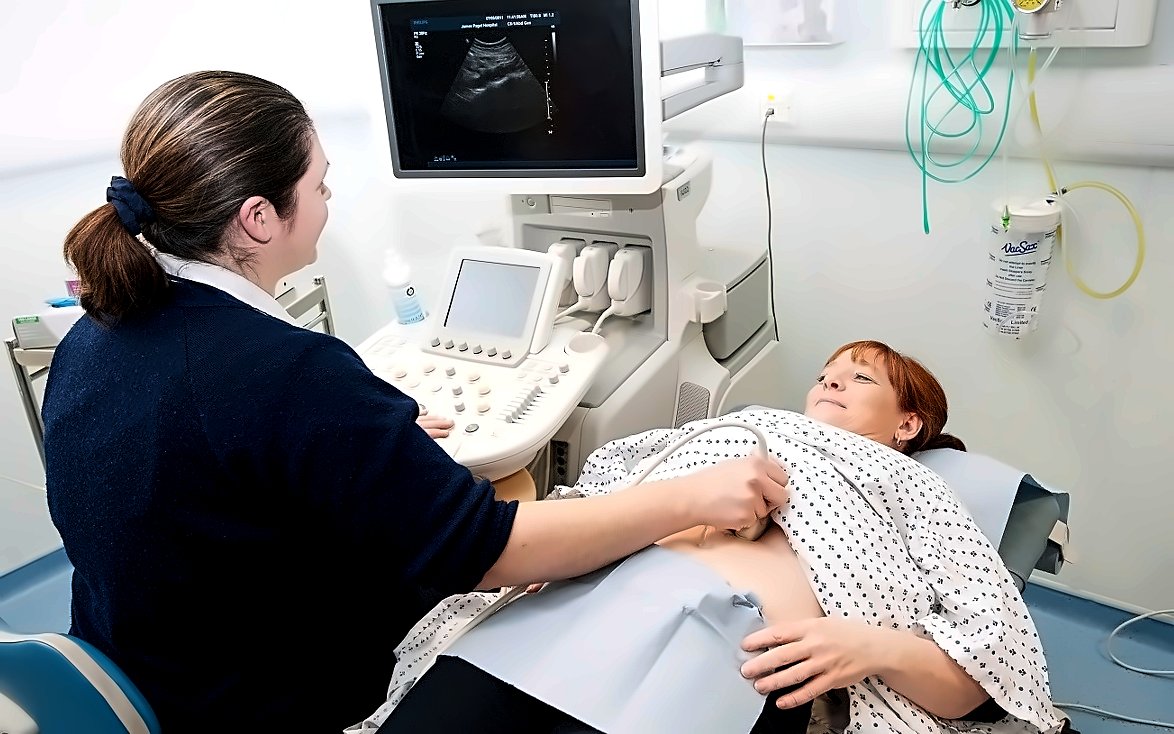
This was the day that changed my mind about the whole trip. In a single morning I had a full lumbar MRI, standing X-rays in flexion and extension, a bone density scan, blood work, an ECG and a chest film. At home, that would have been four separate appointments across three months.
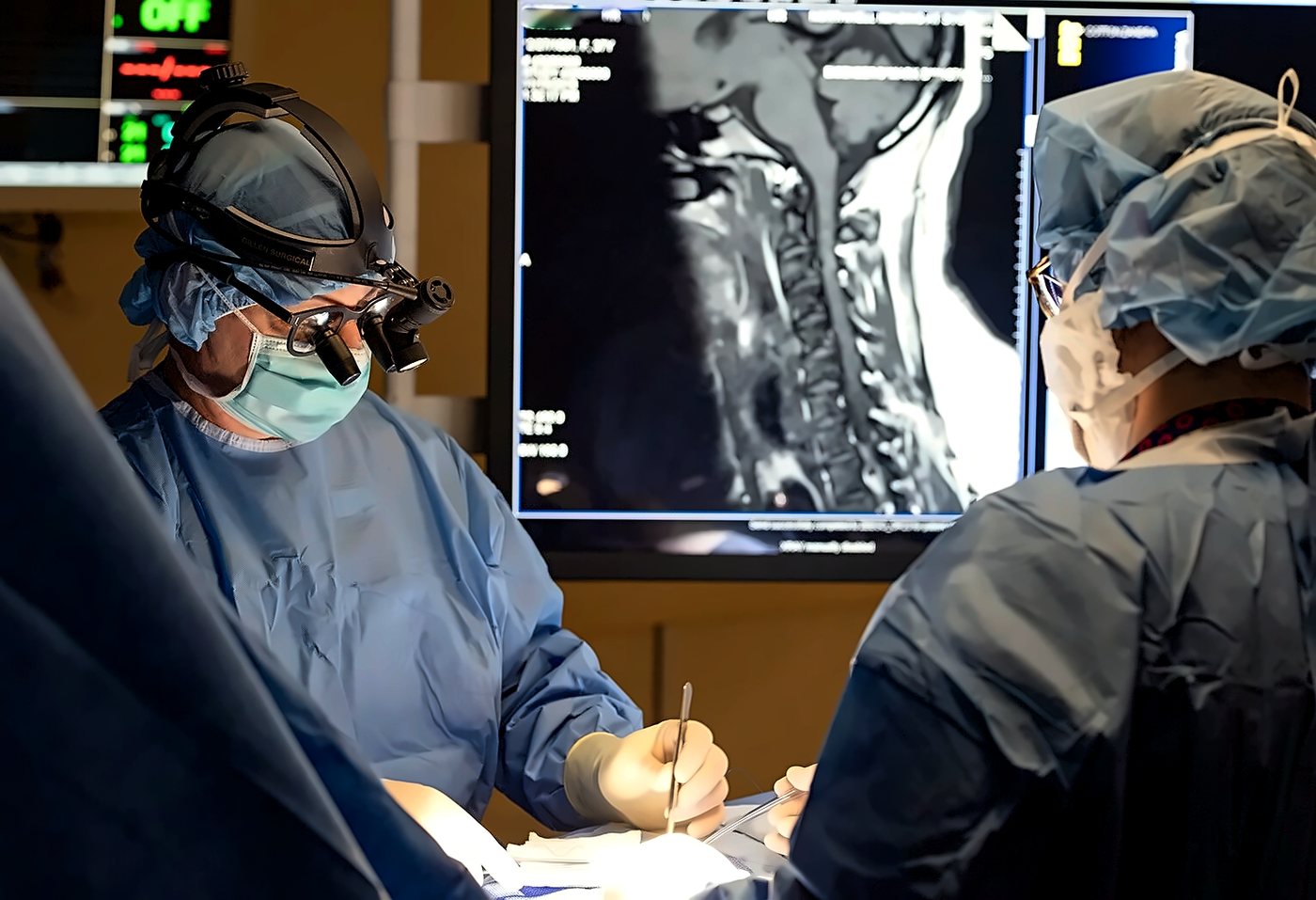
The surgeon, a senior orthopedic spine specialist, reviewed my MRI on a big screen and walked me through it. He drew the slipped vertebra on a notepad. He told me, quite directly, that I was a good candidate for a single-level fusion, and that a second level at L3–L4 was "borderline but not needed yet."
I appreciated that. Nobody tried to sell me more surgery than I needed.
Day 3 (Tuesday): Waiting and Worrying
Surgery was scheduled for Wednesday. I spent the day in the ward, filling in consent forms with a translator beside me. The hospital food was better than I expected: congee, steamed vegetables, a little fish, and tea in a thermos that never seemed to run out.
That night I cried a bit. Nobody tells you how lonely it is to be three thousand miles from your own bed the evening before someone operates on your spine.
Day 4 (Wednesday): Surgery
They took me to the operating floor at 8 a.m. The last thing I remember is the anaesthetist saying something kind in English and a mask being placed over my face. The procedure used a minimally invasive approach with pedicle screws and an interbody cage, and it took about three hours.
I woke up in recovery with a stiff, strange-feeling back and — this is the part I still can't quite believe — no burning in my left leg.
Day 5 (Thursday): The Hard Day
Let me be honest: day five was rough. The pain was real, and nausea from the medication made it worse. A nurse named Wang kept appearing exactly when I needed help, adjusting the pillows, adding an anti-nausea drip, and showing me how to roll onto my side using a log-roll movement.
In the evening, a physiotherapist helped me stand for the first time. Two steps, with a walker. I nearly cried again, but this time from relief.
Days 6–9: Walking
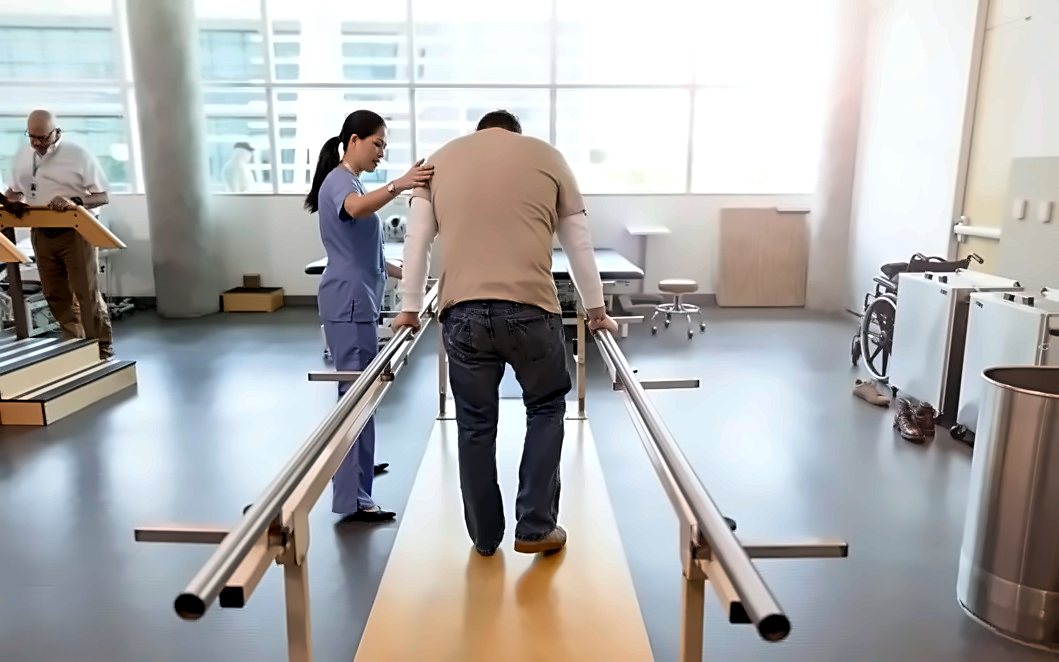
Each day I walked a little further down the ward corridor. By day eight I had done a full lap with the walker and then without it. The surgeon checked in every morning on rounds, usually for under two minutes, but always focused on whether the leg pain had come back. It hadn't.
A follow-up X-ray on day seven showed the screws and cage in good position.
Days 10–14: Leaving the Hospital
I was discharged on day ten and moved into a serviced apartment near the hospital for a few days of observation. Ling helped me arrange a recovery routine, including short walks, wearing a brace and avoiding bending, lifting and twisting. I wrote about how recovery stays work in this recovery hotel guide.
On day fourteen I had a final check and a clearance letter for flying.
Day 16: Home
I flew home with a hospital summary in English, my MRI and X-ray discs, and a written rehab plan for my local physio. My own GP was happy to take over the follow-up.
What It Actually Cost
Here is every number, because that's the thing I wanted most before I went.
| Item | Cost (USD) |
|---|---|
| Surgery package (single-level fusion, implants, anaesthesia, 10-day stay) | $14,800 |
| Pre-op workup (MRI, X-rays, labs, bone scan) | included |
| Interpreter and coordinator | included |
| Serviced apartment, 4 nights | $520 |
| Return flights (Manchester–Shanghai via Istanbul) | $1,150 |
| Hotel before surgery, 2 nights | $210 |
| Meals, taxis, extras | $480 |
| Total | about $17,160 |
For comparison, the private UK quote was about $39,000 for the surgery alone, before physio and flights. The saving was a little over half, and I skipped 14 months of waiting.
Prices vary by hospital, implant type and number of levels. Treat my numbers as one patient's example, not a quote.
Six Months Later
It's been six months, and I can stand and cook a full dinner again. I walk about three miles a day. My back still gets stiff in the morning, and I will always need to be careful with heavy lifting, but I haven't had that burning leg pain since the day after surgery.
Would I do it again? Yes, but I'd go with a coordinator again. Having someone beside me at appointments, translating and knowing the system, was the difference between a frightening trip and a manageable one.
If you're facing a similar decision, read how the process works step by step, and see our orthopedic treatment page. My earlier favourite read was this knee replacement diary, which gave me the courage to start.
This diary reflects one patient's experience and is not medical advice. Always discuss your own condition with a qualified surgeon.
This article is for informational purposes only and does not constitute medical advice. Always consult a qualified healthcare provider for diagnosis and treatment decisions.