I Got Both Knees Replaced in China at 64 — My 3-Week Recovery Journal
Read More
Robotic-assisted knee and hip replacement, arthroscopic repair, and spine surgery at top-tier Chinese orthopedic centers.
Get Free Surgical AssessmentCost Savings
Walking Post-Op
Robotic Platforms
Wait List
Every case is reviewed by a senior orthopedic surgeon before we confirm candidacy and cost.
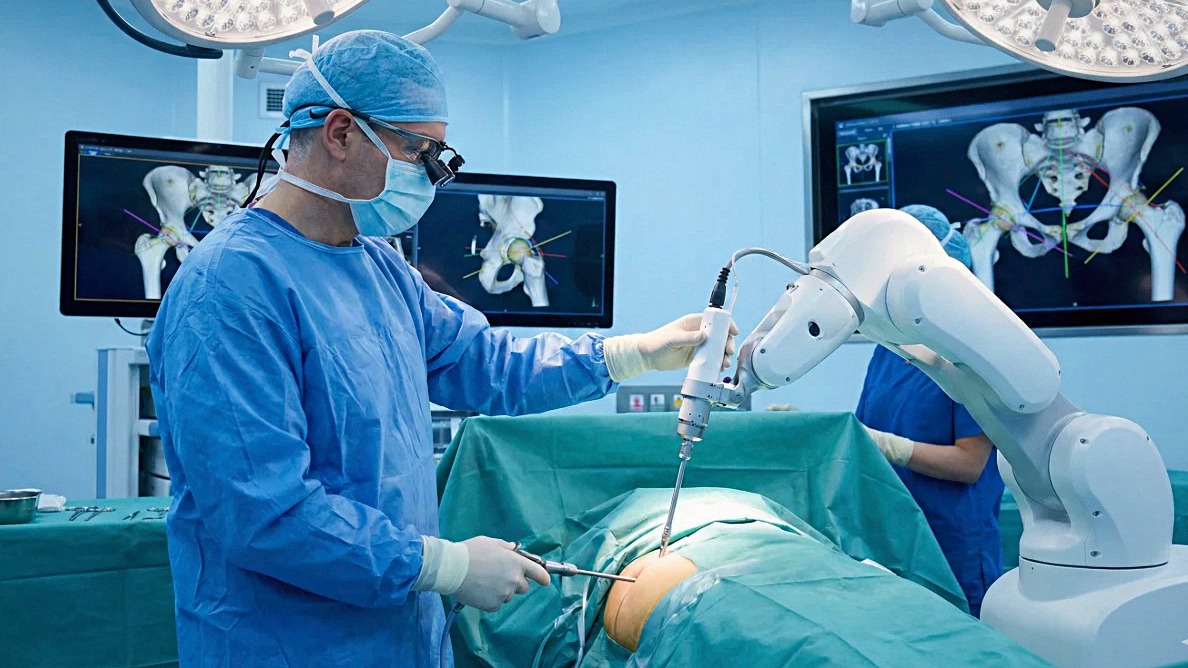
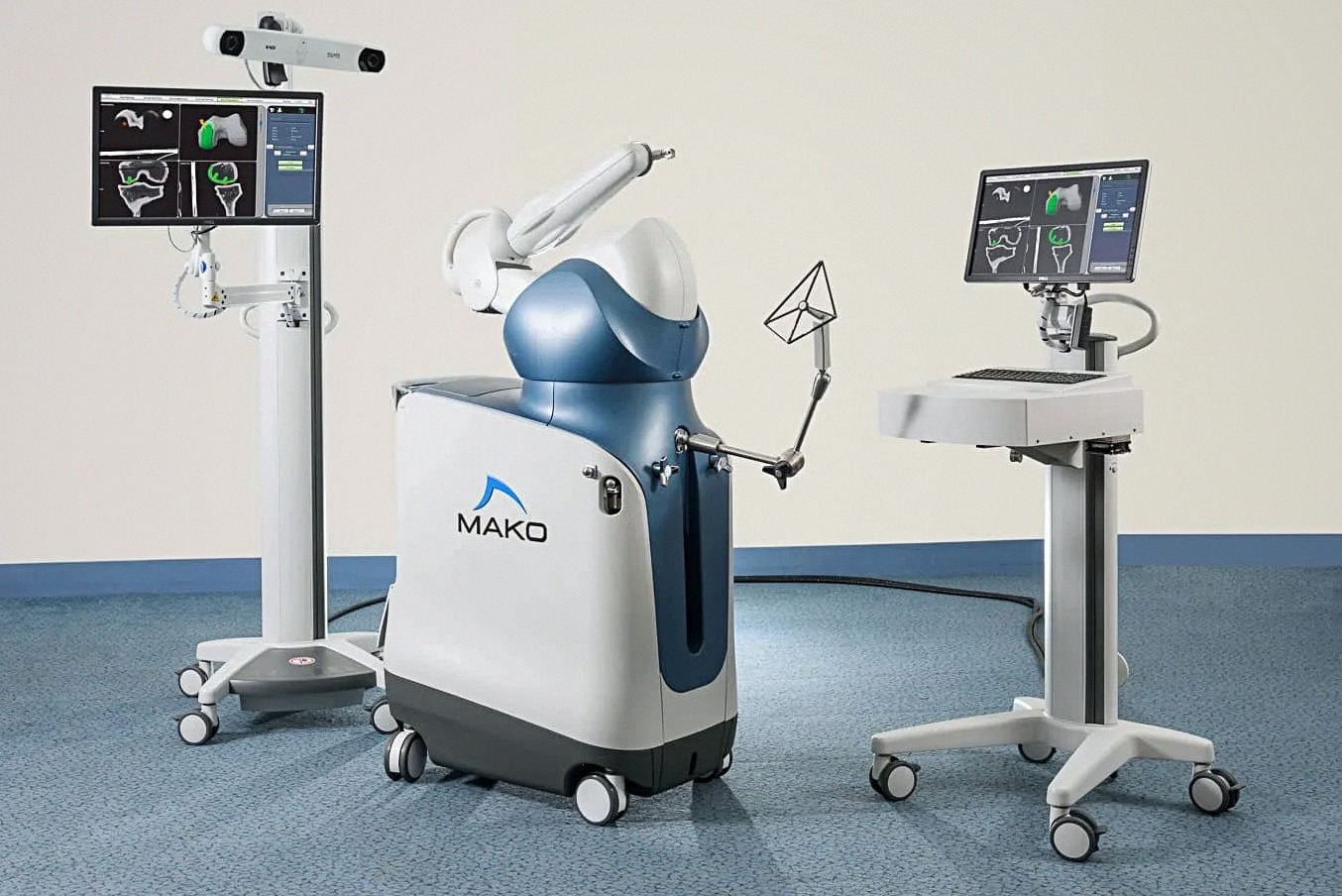
Mako and ROSA robotic platforms deliver sub-millimeter implant positioning, faster recovery, and longer implant lifespan compared to conventional techniques.
Anterior and posterior approaches with ceramic-on-ceramic and highly cross-linked polyethylene options. Most patients walk within 24 hours.
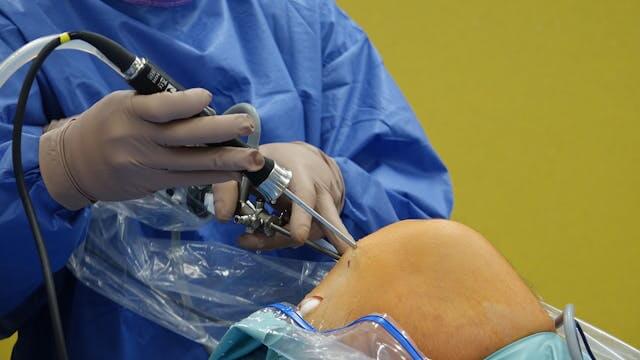
Rotator cuff repair, labral and ACL reconstruction using minimally invasive arthroscopic techniques — ideal for active patients and competitive athletes.
Minimally invasive lumbar and cervical decompression, microdiscectomy, and fusion using robotic screw-placement guidance for precision and safety.
Send us your latest MRI or X-ray — we’ll return a surgical candidacy review and detailed quote within 48 hours.
Start Your AssessmentLast updated:
Joint replacement, spine surgery and arthroscopic repair are commonly arranged for international patients in China, often at large orthopedic departments that perform high volumes. Surgery is usually considered after non-surgical care has failed to control pain and function. Suitability is decided by the surgeon after examining you and reviewing your imaging.
Recent MRI or X-rays, medical history, current medications and any previous surgery.
A specialist assesses whether surgery is appropriate and which approach suits you.
Implant choice, expected hospital stay and an itemised quote are confirmed in writing.
Pre-operative tests, surgery and early rehabilitation, with an interpreter at key appointments.
A short observation stay, clearance to fly, and a rehabilitation plan for your physiotherapist at home.
| Procedure | China | United States |
|---|---|---|
| Hip replacement | $10,000 – $16,000 | $32,000 – $48,000 |
| Knee replacement | $10,000 – $18,000 | $35,000 – $50,000 |
| Spinal fusion | $15,000 – $25,000 | $50,000 – $90,000 |
Travel, accommodation and any extended rehabilitation are additional. Our spinal fusion diary shows one patient's itemised total.
Reference ranges for planning only, in USD. Final quotes are issued by the treating hospital after reviewing your records, and depend on your diagnosis, procedure, room type and length of stay. See also our pricing overview.
Orthopaedics and trauma
Sports medicine and orthopaedics
Large comprehensive hospital with orthopaedic and rehabilitation programs
Robotic fracture surgery reported in our news coverage
Listed for general information about each hospital's published strengths. Inclusion is not a partnership, endorsement or referral claim, and availability must be confirmed with the hospital for your case.
Plan roughly two to three weeks: a few days of assessment, the surgery, several days in hospital, and a short observation period before the surgeon clears you to fly. Your surgeon will confirm the timing for your case.
Long flights increase the risk of blood clots after joint surgery. Surgeons usually advise waiting until early mobility is established and may prescribe clot prevention. Follow your own surgeon's instructions.
Recent MRI or X-ray images in their original format (DICOM discs or files), the radiology reports, a short history of previous treatment and your current medications.
You will receive a written rehabilitation plan and imaging to share with your local surgeon or physiotherapist. Arrange follow-up at home before you travel.
General information, not an individual diagnosis or treatment recommendation. SinomedTrip coordinates appointments and travel; licensed hospitals and clinicians make all medical decisions.