Proton Therapy in China: $50K vs $120K — Full Cost Comparison (2026)
Complete cost breakdown of proton beam therapy in China. Treatment fees, accommodation, travel, and savings vs the US, Japan, and Germany.
Proton Therapy in China: $50K vs $120K — Full Cost Comparison (2026)
A 30-fraction proton therapy course in the United States costs $100,000-$150,000. The same treatment at a top Chinese proton center: $40,000-$60,000. That gap isn't a typo. It reflects fundamental differences in facility costs, labor, and healthcare pricing structures — not differences in equipment or treatment quality.
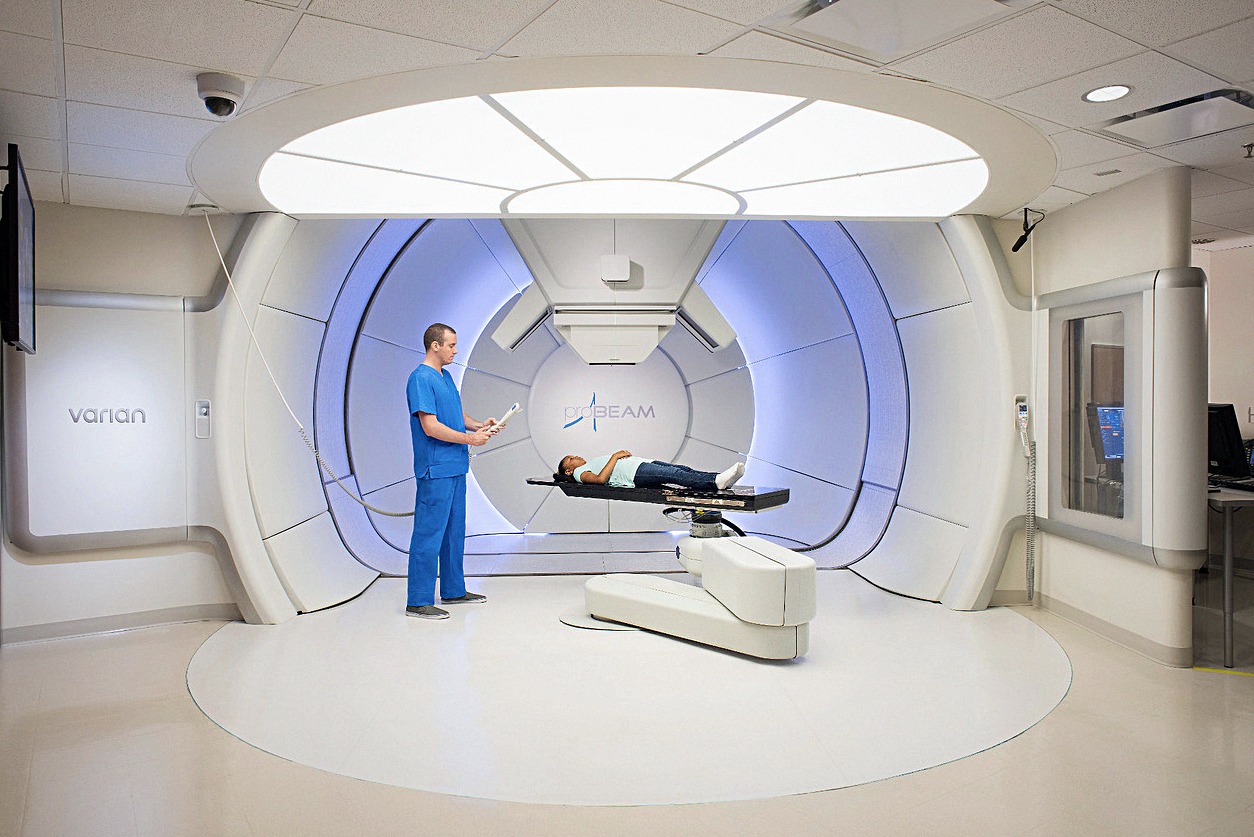
China now operates eight proton therapy centers, with three more opening by late 2027. Most use the same IBA or Varian systems found in leading US and European facilities. The clinical protocols follow NCCN and international standards. What differs is the price.
This guide breaks down exactly what proton therapy costs in China, what's included, and how it compares to other countries.
Treatment Cost Breakdown
The following figures represent a standard 25-30 fraction proton therapy course at a JCI-accredited Chinese proton center, based on 2026 pricing data.
| Cost Category | Estimated Range (USD) |
|---|---|
| Treatment planning & simulation (CT, MRI, immobilization) | $3,000 - $5,000 |
| Proton beam therapy (25-30 fractions) | $30,000 - $45,000 |
| Weekly imaging & quality assurance | $2,000 - $3,500 |
| Physician consultations & follow-up | $1,500 - $2,500 |
| Treatment subtotal | $36,500 - $56,000 |
Non-Treatment Costs
International patients should budget for these additional expenses. Most proton courses run 5-7 weeks.
| Cost Category | Estimated Range (USD) |
|---|---|
| Round-trip airfare (from US) | $800 - $1,800 |
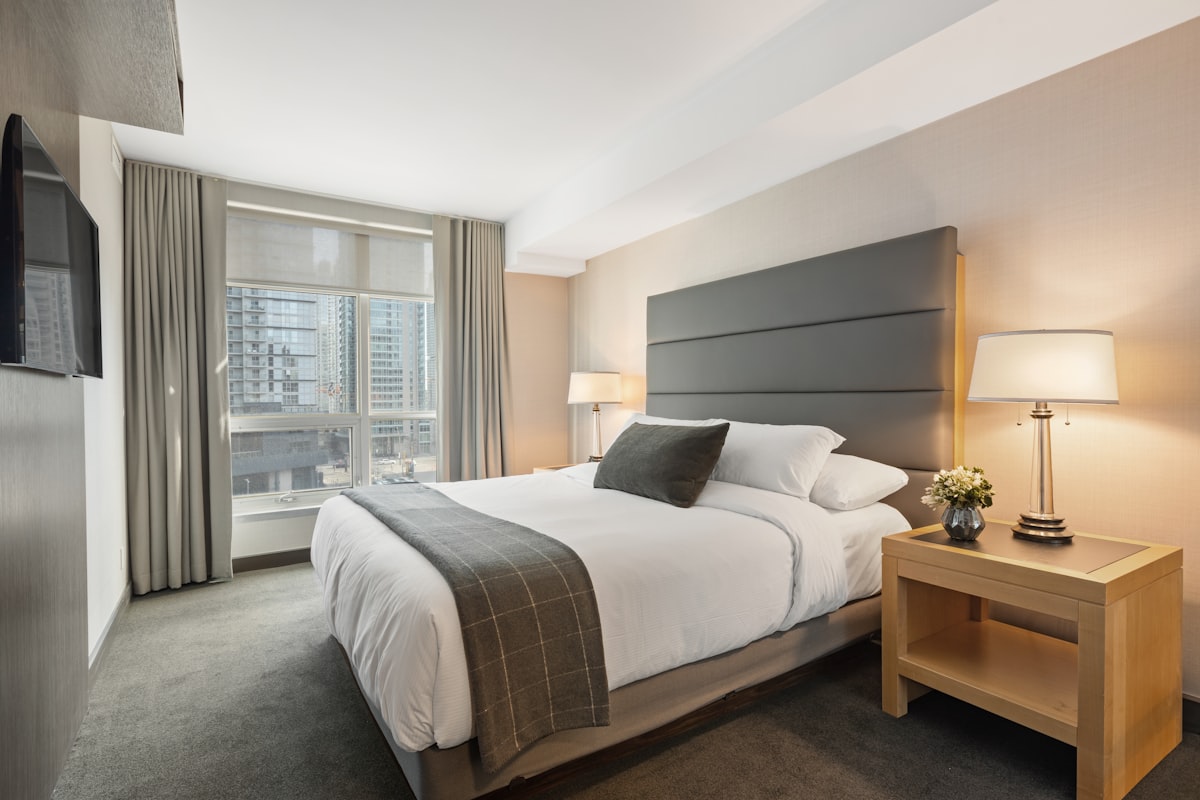
| Accommodation (6 weeks, serviced apartment) | $2,400 - $4,200 |
| Daily living expenses (6 weeks) | $1,200 - $2,100 |
| Medical coordinator / translation | $500 - $1,000 |
| Pre-treatment records translation & review | $300 - $600 |
| Non-treatment subtotal | $5,200 - $9,700 |
Estimated total (treatment + living): $42,000 - $66,000
Country Comparison
| Factor | China | United States | Japan | Germany |
|---|---|---|---|---|
| Treatment cost (30 fractions) | $40K-$55K | $100K-$150K | $60K-$80K | $70K-$100K |
| Typical total with living expenses | $45K-$65K | $110K-$160K | $75K-$100K | $85K-$115K |
| Number of proton centers | 8 | 44 | 7 | 6 |
| Average wait time | 2-4 weeks | 4-8 weeks | 3-6 weeks | 4-8 weeks |
| Equipment manufacturers | IBA, Varian, Hitachi | IBA, Varian, Mevion | Hitachi, Toshiba | IBA, Varian |
| English-language support | Available at major centers | Native | Limited | Moderate |
| JCI/international accreditation | Yes (select centers) | N/A (US accreditation) | Yes (select centers) | Yes (select centers) |
China's cost advantage is most significant compared to the US (55-65% savings) and Germany (40-50% savings). The gap narrows against Japan (25-35% savings), though China typically offers shorter wait times.
Which Cancers Qualify for Proton Therapy
Proton therapy isn't appropriate for all cancers. It's most effective where the precision advantage of proton beams — the ability to stop at a specific depth rather than passing through the body — matters most.
Well-established indications:
- Pediatric cancers (most types) — reduced long-term side effects in growing tissue
- Head and neck cancers — sparing of salivary glands, optic nerves, brainstem
- Brain and spinal tumors — minimizing radiation to surrounding neural tissue
- Skull base tumors (chordoma, chondrosarcoma)
- Ocular tumors (uveal melanoma)
Growing evidence:
- Hepatocellular carcinoma (liver cancer) — especially in patients with cirrhosis
- Lung cancer (early-stage, or re-irradiation cases)
- Prostate cancer — debated; dosimetric advantage doesn't always translate to clinical benefit
- Esophageal cancer — active clinical trials
- Breast cancer (left-sided) — cardiac sparing
Not recommended:
- Widely metastatic disease
- Cancers well-managed by conventional radiation at lower cost
- Leukemia and other blood cancers
For a full list of cancer treatments available in China, including immunotherapy, CAR-T, and surgical options, we maintain an updated treatment guide.
How Chinese Proton Centers Compare Clinically
The technology itself is identical. An IBA Proteus system in Shanghai operates the same as one in Philadelphia. The differentiator is clinical experience.
China's proton centers are newer than many US facilities, which means less accumulated institutional experience. However, several centers have now treated over 5,000 patients, and Chinese proton programs publish regularly in peer-reviewed journals. Shanghai Proton and Heavy Ion Center (SPHIC), which opened in 2014, has treated over 8,000 patients and published extensively on head-and-neck and liver protocols.
Treatment planning — where much of the clinical skill lies — follows international standards, and many Chinese proton physicists trained in the US, Japan, or Germany.
Insurance and Payment
Most US insurance plans do not cover treatment abroad, though some will provide partial reimbursement for proton therapy if you can demonstrate medical necessity and comparable facility accreditation. The process is complicated and success varies widely.
Self-pay is the norm for international patients at Chinese proton centers. Most facilities offer structured payment plans: a deposit (typically 30-40%) before treatment begins, with the balance due upon completion. Payment is usually accepted in USD or RMB via wire transfer; some centers now accept major credit cards.
For detailed pricing information and payment options, including assistance with insurance pre-authorization letters, see our cost guide.
Treatment Timeline
A typical proton therapy course follows this schedule:
Week 0 (Pre-arrival): Medical records review, insurance/payment setup, travel arrangements.
Week 1: Arrival, consultation, treatment planning. This includes CT simulation, MRI fusion, creation of custom immobilization devices, and treatment plan development. Most patients begin treatment by Day 4 or 5.
Weeks 2-6: Daily treatment sessions, Monday through Friday. Each session takes 15-30 minutes in the treatment room, though the actual beam delivery is typically 1-3 minutes. Weekly check-ups with the oncology team.
Week 7: Final treatment sessions, end-of-treatment imaging, discharge consultation, and follow-up care plan.
Total time in China: 6-8 weeks for a standard course.
Frequently Asked Questions
Will my US health insurance cover proton therapy in China?
Generally, no. Most US insurers do not cover international treatment. However, some patients have successfully obtained partial reimbursement by submitting claims with documentation of medical necessity, facility accreditation, and itemized bills. We can provide documentation to support reimbursement claims, though approval is at the insurer's discretion. If you have international health insurance or a plan with out-of-network benefits, your chances improve.
How long does the full treatment take from start to finish?
Plan for 6-8 weeks in China. Treatment planning takes 3-5 days, followed by 5-7 weeks of daily sessions (Monday-Friday). Some protocols require fewer fractions (15-20), which can shorten the stay to 4-5 weeks. Your treatment plan will be confirmed before you travel.
How do I apply and get started?
The process begins with a medical records review. Submit your pathology reports, imaging studies, and treatment history through our platform. A proton therapy specialist will review your case within 3-5 business days and confirm whether you're a candidate. If approved, you'll receive a treatment plan outline and cost estimate before making any commitments.
This article is for informational purposes only and does not constitute medical advice. Always consult a qualified healthcare provider for diagnosis and treatment decisions.