Dental Tourism in China: 8 Myths That Cost Patients Money
Dental tourism in China is booming, but myths keep patients overpaying at home. 8 common beliefs about implants, quality and safety — corrected with real numbers.
Dental Tourism in China: 8 Myths That Cost Patients Money
Every week we talk to people who have a $30,000 dental quote on the kitchen table and a vague feeling that going abroad is "risky." Some of that caution is healthy. A lot of it is based on things that simply aren't true anymore.
Here are the eight myths about dental tourism in China we hear most often, and what's actually going on.
1. "Cheap implants must mean cheap implants."
The implant itself is usually the same product. Top Chinese hospital dental departments place Straumann (Switzerland), Nobel Biocare (Sweden) and Osstem (Korea) implants — the same brands used in London, Sydney and Los Angeles.
The price difference comes from labor, rent and hospital pricing rules, not the titanium. A single Straumann implant with crown typically costs $1,200–$2,000 at a Chinese public hospital versus $4,000–$6,000 in the US. Ask for the implant brand, the batch card and the product passport. A reputable clinic hands them over without hesitation.
2. "Chinese dentists aren't properly trained."
Dentists at major stomatology hospitals complete a five- to eight-year dental degree, followed by residency and specialty training. Many senior implantologists hold fellowships from the ITI (International Team for Implantology) or trained in Germany, Switzerland or the US.
The bigger factor is volume. Large university stomatology hospitals in Xi'an, Shanghai and Beijing place thousands of implants a year. Experience compounds.
3. "You'll need to stay for months."
Not usually. A typical single-implant case in China follows two trips or one longer stay:
- Trip 1 (5–7 days): CBCT scan, extraction if needed, implant placement
- Healing (3–4 months at home)
- Trip 2 (5–7 days): crown fitting and bite adjustment
For All-on-4, a fixed temporary bridge is often fitted within 24–72 hours of surgery, so you fly home with teeth. Read how one patient structured his trip in our Shanghai dental implant diary.
4. "If something goes wrong, you're on your own."
This depends entirely on who you go with. Reputable hospitals give written warranties on implants (typically 5–10 years) and crowns (typically 3–5 years). They also provide full records: CBCT images, implant brand and lot number, and torque values.
That paperwork matters. Any dentist at home can maintain or repair a Straumann implant if they know exactly what's in your mouth. A good coordinator also arranges remote follow-ups and, if needed, a return visit.
5. "The hygiene standards are lower."
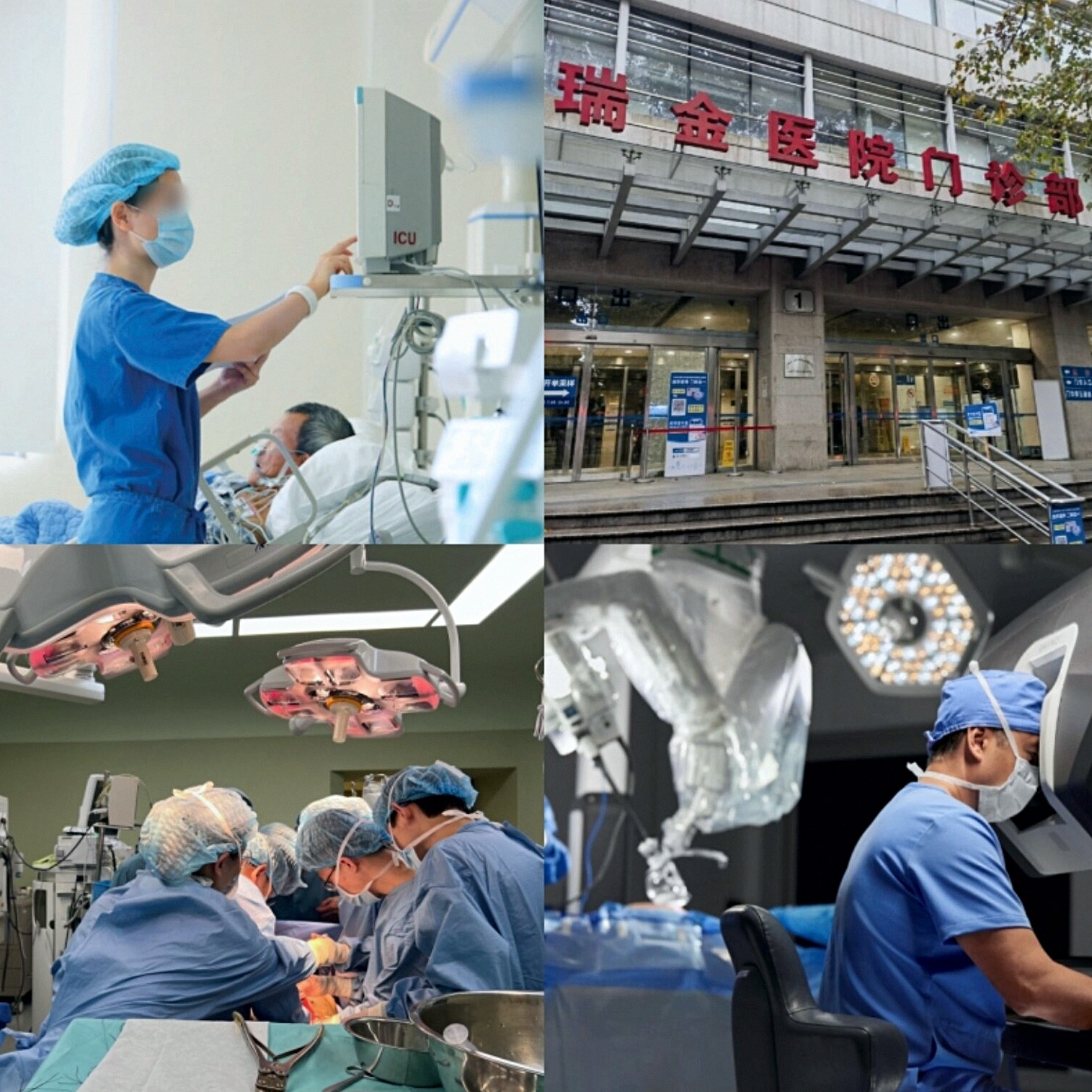
Public hospital dental departments in China operate under National Health Commission infection-control standards. In practice that means autoclave sterilization, sealed single-use instrument packs, and surgical suites for implant placement.
Where patients do get burned is at small, unregulated private clinics chasing tourists with rock-bottom prices. The solution is simple: choose a licensed hospital department, not a storefront.
6. "You'll save a little, but flights eat it up."
Let's run the numbers on a common case: a full upper arch (All-on-4) with a fixed zirconia bridge.
| Cost | United States | China |
|---|---|---|
| All-on-4, one arch, zirconia | $24,000 – $30,000 | $8,000 – $12,000 |
| Flights (round trip, economy, x2 trips) | — | $1,800 – $2,600 |
| Hotel (12 nights total) | — | $700 – $1,200 |
| Total | $24,000 – $30,000 | $10,500 – $15,800 |
Even with two trips, most patients save $10,000–$15,000. See our pricing page for current packages.
7. "Communication will be impossible."
Senior dentists at international departments generally speak workable English, but you shouldn't rely on that for informed consent. Use a bilingual coordinator who attends appointments with you, translates treatment plans in writing, and stays reachable on WhatsApp after you leave.
8. "Dental tourism is only for people who can't afford care at home."
Many of our dental patients could pay the home-country price. They choose China because they get a hospital-grade surgical setting, a senior implantologist, and an extra week of travel for less than the domestic quote. Plenty combine treatment with a health checkup or a few days in Xi'an or Shanghai.
The Bottom Line
Healthy skepticism is good. Check the implant brand, the dentist's credentials, the warranty in writing and the hospital license. Anyone who resists those questions isn't worth your money.
If the facts check out, dental tourism in China is one of the most predictable ways to cut a five-figure bill by more than half. Learn more about our dental implant program, read other myths foreign patients believe about surgery in China, or send us your X-ray or CBCT for a free treatment plan.
This article is for informational purposes only and does not constitute medical advice. Always consult a qualified healthcare provider for diagnosis and treatment decisions.