China Medical Visa in 2026: Step-by-Step From Application to Arrival
Everything you need to know about getting a Chinese medical visa. Documents, timeline, visa-free options, and common mistakes to avoid.
China Medical Visa in 2026: Step-by-Step From Application to Arrival
The most common question we get from new patients isn't about surgery — it's about the visa. Here's the straightforward answer.
Getting into China for medical treatment is simpler than most people think. Depending on your nationality, you might not even need a visa at all. And if you do, the process takes about two weeks from start to finish. I've helped over 300 patients navigate this, and only a handful ran into real problems — almost always because of avoidable mistakes.
Let me walk you through everything.
Do You Even Need a Visa?
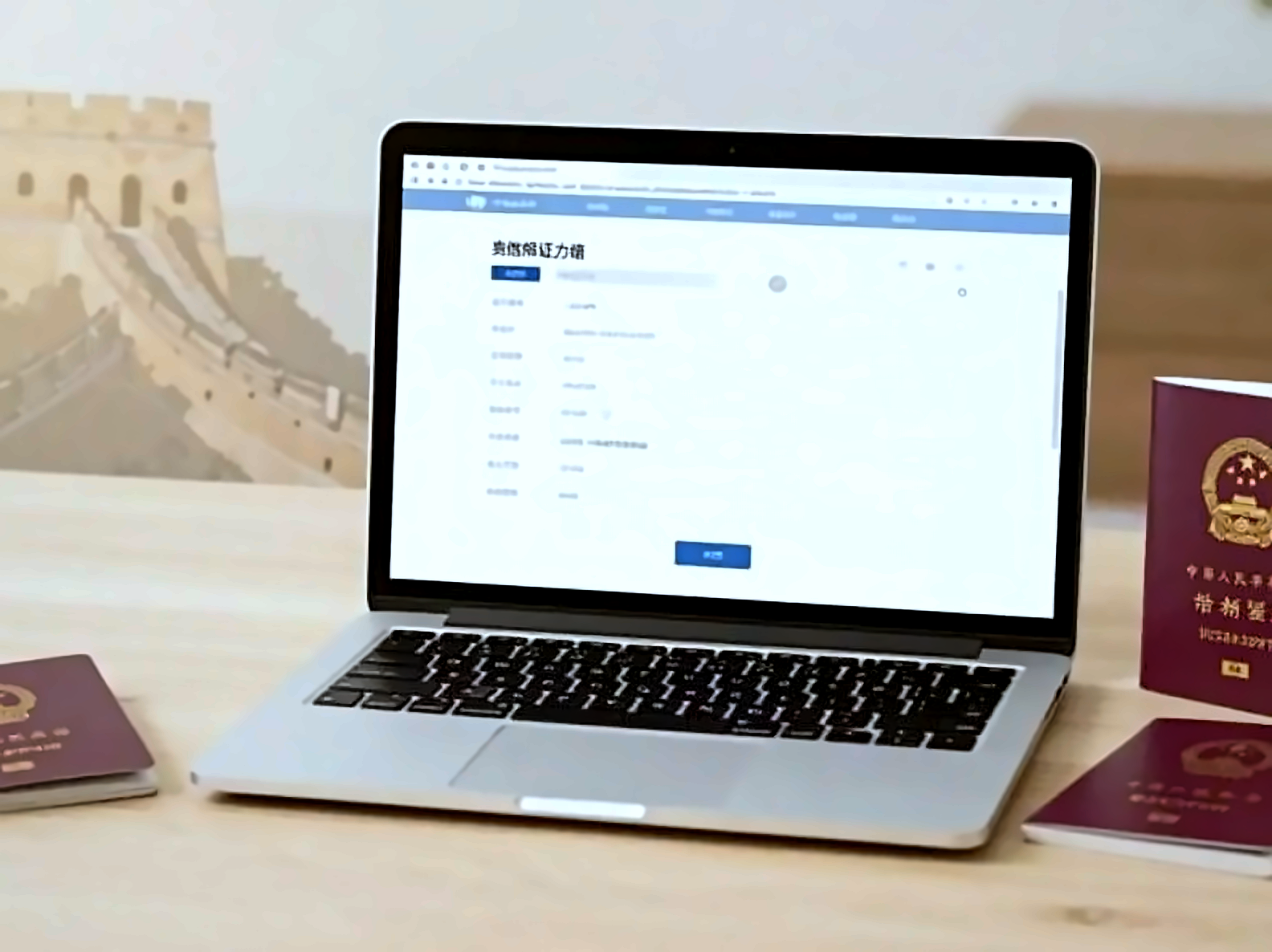
Maybe not. China's 240-hour visa-free transit policy is one of the most underused travel shortcuts in the world. If you hold a passport from one of 54 eligible countries, you can enter China without a visa and stay for up to 10 days (240 hours), as long as you have a connecting flight to a third country.
That's enough time for consultations, diagnostic workups, minor procedures, and many outpatient treatments.
Countries eligible for 240-hour visa-free transit include:
- United States, Canada
- United Kingdom, Ireland
- Germany, France, Spain, Italy, Netherlands, Switzerland, Austria, Belgium, Sweden, Denmark, Norway, Finland, Portugal, Greece, Poland, Czech Republic
- Australia, New Zealand
- Japan, South Korea, Singapore
- Brazil, Argentina, Chile
- United Arab Emirates, Qatar
- Russia
This isn't the full list — there are 54 countries total. Check with your nearest Chinese embassy or contact us for a consultation and we'll confirm your eligibility in minutes.
Important: The 240-hour policy requires entry and exit through designated ports (most major airports qualify, including Beijing, Shanghai, Guangzhou, and Chengdu). You must have a confirmed onward ticket to a third country — you can't fly back to the country you came from.
For longer treatment plans — surgery with recovery time, multi-week protocols, or anything over 10 days — you'll need a visa.
If You Need a Medical Visa
There are two visa types that work for medical travel:
S2 Visa (Short-term Private Visit)
This is what most medical travelers use. It covers visits for medical treatment, and it's valid for stays up to 180 days. The application is straightforward, and it doesn't require sponsorship from a Chinese company.
M Visa (Business/Commercial)
Some patients use an M visa if they're combining treatment with business. It works, but the S2 is purpose-built for medical visits and raises fewer questions at the embassy.
Our recommendation: Go with the S2 unless you have a specific reason not to. It's the cleanest path.
The 6-Step Process
Here's exactly how it works, from first contact to boarding your flight.
Step 1: Contact us and confirm your treatment plan.
Before anything else, we need to understand what you're coming for. Send us your medical records, scans, or a description of your condition through our consultation page. Our medical team reviews everything and puts together a preliminary plan — what hospital, which specialist, estimated timeline, and approximate cost. This usually takes 2-3 business days.
Step 2: Receive your invitation letter.
Once you confirm you'd like to proceed, we issue an official invitation letter from the hospital. This letter states the purpose of your visit, the expected duration, and the treating department. It's the single most important document in your visa application. We email it as a PDF and can also send a hard copy by courier if your embassy requires originals.
Step 3: Gather your documents.
While waiting for the invitation letter, start collecting everything else. The full checklist is below, but the big items are your passport (with at least 6 months validity and two blank pages), the completed visa application form, and a recent passport photo. Most people have this ready in a day.
Step 4: Submit your application to the Chinese embassy or consulate.
You can apply in person or through a visa service center (CVASC) in your country. Some embassies accept mail-in applications. Bring everything. Don't leave a single document out — incomplete applications are the number one reason for delays.
Step 5: Wait 5-7 business days.
Standard processing takes about a week. Express processing (2-3 days) is available in most countries for an extra fee, typically around $30-50. We've seen applications approved in as few as 3 days during non-peak seasons.
Step 6: Travel.
Once you have your visa, book your flights and let us know your arrival details. We arrange airport pickup, hotel accommodation near the hospital, and a bilingual coordinator who'll be with you from day one. Check our full arrival guide for what to expect when you land.
Documents Checklist
Bring all of the following to your visa appointment:
- Valid passport (minimum 6 months remaining, 2+ blank pages)
- Completed Chinese visa application form (download from your embassy's website)
- One recent passport-sized photo (48mm × 33mm, white background, taken within 6 months)
- Hospital invitation letter (we provide this)
- Proof of medical condition (doctor's referral letter, diagnosis reports, or medical summary)
- Round-trip flight itinerary or reservation
- Hotel booking confirmation
- Proof of financial means (bank statement from the last 3 months)
- Copy of previous Chinese visas (if any)
- Travel insurance policy covering medical evacuation (recommended, not always required)
If someone is traveling with you as a companion, they'll need their own S2 visa application with a letter explaining their relationship to the patient.
Common Mistakes
Applying too late. The entire process — from first contact with us to visa in hand — takes roughly 2-3 weeks. Some patients reach out expecting to fly next week. Give yourself a minimum of 3 weeks, ideally 4-5.
Submitting the wrong photo. Chinese visa photos have specific dimensions and background requirements. A standard US passport photo won't work. Many visa centers have photo booths on-site, but don't count on it. Get this right in advance.
Not disclosing previous visa rejections. If you've been denied a Chinese visa before — or any visa — the application asks about this. Leaving it blank when the answer is yes will get you flagged. Be honest. A previous rejection doesn't automatically disqualify you.
Booking non-refundable flights before the visa is approved. Don't do this. Book refundable tickets or flexible reservations until the visa is stamped in your passport.
Real Timeline
Here's a recent example from one of our patients:
Maria, 47, from Barcelona. She contacted us on September 1st about knee cartilage treatment. By September 3rd, she had her treatment plan and confirmed she wanted to proceed. We issued her invitation letter on September 5th. She gathered her documents over the weekend, submitted to the Chinese consulate in Barcelona on September 8th (Monday), and received her approved visa on September 12th. She booked flights that evening and landed in Beijing on September 18th. Treatment started September 19th.
Total time from first message to arrival: 18 days. That's typical.
Some patients move faster — especially those in countries with visa-free transit, who can arrive within a week of first contact while their full visa processes separately for a longer stay later.
Still Have Questions?
The visa process looks like a lot on paper, but it's genuinely manageable once you start. We handle the hospital side — invitation letters, treatment scheduling, accommodation, airport pickup — so you can focus on the paperwork at your end. Visit our detailed visa and travel page for entry requirements by country, or reach out directly and we'll walk you through it.
This article is for informational purposes only and does not constitute medical advice. Always consult a qualified healthcare provider for diagnosis and treatment decisions.