Cosmetic Surgery: China vs South Korea — Which Is Actually Better for You?
An honest comparison of cosmetic surgery in China and South Korea. Cost, surgeon quality, specialties, recovery, and who each country is best for.
Cosmetic Surgery: China vs South Korea — Which Is Actually Better for You?
South Korea is the world's cosmetic surgery capital — everyone knows that. But China is quietly catching up, and for certain procedures, it's already ahead. Here's an honest breakdown.
We're not going to pretend this is simple. Both countries have excellent surgeons, world-class facilities, and compelling reasons to choose them. The right answer depends on what procedure you want, your budget, and what kind of experience matters to you. We'll lay out the facts and let you decide.
Head-to-Head Comparison
| Dimension | China | South Korea |
|---|---|---|
| Cost (rhinoplasty) | $3,000 - $6,000 | $5,000 - $10,000 |
| Cost (facelift) | $5,000 - $9,000 | $8,000 - $15,000 |
| Cost (body contouring) | $3,500 - $7,000 | $6,000 - $12,000 |
| Rhinoplasty expertise | Strong, growing | World-leading |
| Body contouring | Excellent (major hospital programs) | Good (clinic-focused) |
| Facial bone surgery | Very good | World-leading |
| Recovery support | Hospital-based, medical staff | Clinic + aftercare hotels |
| English support | Available at top hospitals | Widely available |
| Medical tourism infrastructure | Developing | Mature, extensive |
The numbers tell part of the story. The nuance is in the details.
Cost: China Wins on Price, But Context Matters
China is consistently 30-50% cheaper than Korea for equivalent procedures. A rhinoplasty with cartilage grafting runs $3,000-$6,000 at a top Chinese hospital, compared to $5,000-$10,000 at a reputable Korean clinic. For body contouring — liposuction, tummy tucks, arm lifts — the gap is even wider.
But cheaper doesn't automatically mean better value. Korean clinics often bundle post-op care, follow-up visits, and recovery accommodation into their quoted price. Chinese hospitals tend to itemize everything, so the upfront number looks lower, but you'll need to budget separately for aftercare and accommodation.
For a detailed breakdown of medical costs and payment structures, see our pricing guide.
The real savings show up in complex procedures. A full facelift with neck lift in Korea runs $12,000-$15,000 at a top clinic. In China, at a JCI-accredited hospital with a senior surgeon, you're looking at $6,000-$9,000. For patients paying out of pocket — which is nearly everyone in cosmetic surgery — that difference matters.
Rhinoplasty: Korea Still Leads
Let's give credit where it's due. South Korea performs more rhinoplasties per capita than any country on earth. The volume of procedures means Korean surgeons have seen every nose shape, every complication, and every revision scenario. Gangnam-gu alone has more rhinoplasty specialists than most countries have board-certified plastic surgeons.
Korean rhinoplasty techniques — particularly the structural approach using rib cartilage for Asian noses — have been refined over decades. The aesthetic standards are well-defined, and the results speak for themselves.
China has strong rhinoplasty surgeons, particularly at major hospitals in Shanghai, Beijing, and Guangzhou. Some trained in Korea. But the sheer volume and specialization advantage still belongs to Seoul. If rhinoplasty is your primary goal and budget isn't the deciding factor, Korea remains the top choice.
That said, if you want rhinoplasty combined with other procedures — say, rhinoplasty plus jawline contouring plus body work — China's hospital-based model starts to make more sense. One facility, one surgical team, one recovery period.
Body Contouring: China Has the Edge
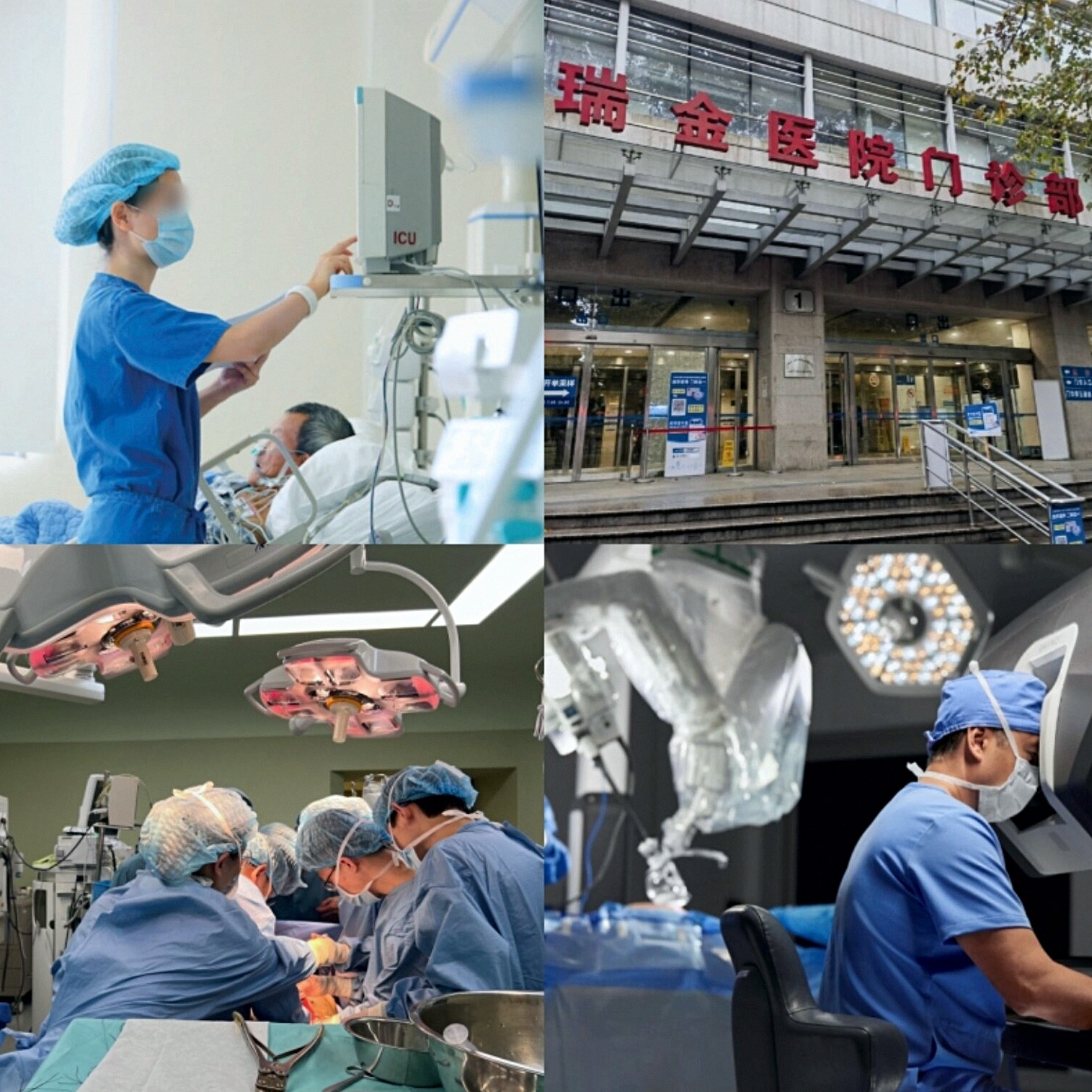
This is where China pulls ahead. Major Chinese hospitals run integrated plastic surgery departments with full operating theaters, ICUs, and overnight stays. Body contouring procedures — especially extensive liposuction, abdominoplasty, or post-bariatric body lifts — benefit from this infrastructure.
Korean cosmetic surgery is predominantly clinic-based. These clinics are excellent for facial work and smaller procedures, but extensive body contouring in an outpatient clinic setting carries different risk profiles than the same work done in a full hospital. Chinese hospitals can offer general anesthesia with anesthesiologist supervision, overnight monitoring, and immediate access to emergency services.
For patients seeking significant body transformation — multiple areas of liposuction, combined tummy tuck and breast surgery, or post-weight-loss body lifts — China's hospital environment provides a margin of safety that matters.
Visit our cosmetic surgery treatment page for a full list of available procedures and hospital profiles.
Facial Bone Surgery: Korea Leads, China Follows Close
V-line surgery, jaw reduction, zygoma reduction, chin contouring — Korea pioneered the modern versions of these procedures and remains the global leader. The concentration of maxillofacial surgeons in Seoul is unmatched.
China's top facial bone surgeons are very good, and several have trained at leading Korean programs. For standard jaw reduction or chin augmentation, you'll get excellent results in either country. But for complex cases — three-jaw surgery, extensive skull reshaping, or revision cases after failed procedures elsewhere — Korea's depth of experience is hard to match.
Recovery and Aftercare
The experience of recovery differs significantly between the two countries, and this matters more than most comparison articles acknowledge.
Korea has built a complete ecosystem around cosmetic surgery recovery. Gangnam has dedicated recovery hotels, post-op care centers with English-speaking nurses, lymphatic drainage massage services, and even cosmetic-surgery-specific pharmacies. You can walk out of your clinic and into a fully supported recovery environment within a city block. It's convenient and well-organized.
China doesn't have this ecosystem — yet. Recovery happens at the hospital or at a nearby hotel, with follow-up visits scheduled at the hospital. The medical care during recovery is strong, but the lifestyle infrastructure around it is less developed. You won't find a dozen aftercare lounges within walking distance of the hospital. You'll need to arrange your own accommodation and get yourself to follow-up appointments.
For patients who value independence and don't mind organizing their own logistics, this is a non-issue. For those who want a plug-and-play medical tourism experience, Korea's infrastructure is genuinely better.
Language and Communication
Korea has invested heavily in multilingual cosmetic surgery services. Most Gangnam clinics have full-time English, Chinese, and Japanese coordinators. Consultations, consent forms, and post-op instructions are routinely available in multiple languages. This is a mature system.
China's English support at top hospitals is adequate but less consistent. Major international departments at hospitals in Shanghai, Beijing, and Guangzhou have English-speaking staff and professional medical translators. Smaller hospitals or departments may not. Working with a medical coordinator through our platform solves this, but it's an extra step that Korea has largely eliminated.
Safety and Regulation
Both countries have strong regulatory frameworks for cosmetic surgery, but enforcement differs.
Korea's Ministry of Health and Welfare actively regulates cosmetic surgery clinics. However, the sheer number of clinics — over 600 in Gangnam alone — means quality varies enormously. "Ghost surgery" (where a different surgeon performs the operation than the one who did the consultation) has been a documented issue, though regulatory crackdowns have reduced it. Patients need to research individual surgeons, not just clinics.
China's cosmetic surgery regulation has tightened significantly since 2023. Major hospitals with plastic surgery departments operate under strict oversight, and surgeon credentials are verifiable through public databases. The risk in China is less about ghost surgery and more about the unlicensed "beauty clinics" that operate outside the regulated hospital system. Stick to accredited hospitals with named, board-certified surgeons, and this risk disappears.
Choose China If...
- Budget is a primary concern. You'll save 30-50% on most procedures without compromising on surgeon quality or facility standards, especially at major hospitals.
- You need body contouring or extensive surgical work. China's hospital-based model provides stronger infrastructure for complex, multi-area procedures under general anesthesia.
- You want multiple procedures in one trip. A hospital setting with a coordinated surgical team can handle rhinoplasty, body contouring, and facial work in a single visit.
- You're combining cosmetic surgery with other medical treatment. Already traveling to China for orthopedic work, dental care, or another procedure? Adding cosmetic surgery to the trip maximizes your savings.
Choose Korea If...
- Rhinoplasty or facial bone surgery is your primary goal. Korea's volume, specialization, and aesthetic refinement in facial procedures remain unmatched.
- You want a turnkey medical tourism experience. Korea's recovery infrastructure, multilingual support, and aftercare ecosystem make the logistics easy.
- You're seeking revision surgery for a previous procedure. Korean surgeons see more revision cases and have deeper experience managing complications from prior work.
- The K-beauty aesthetic aligns with your goals. If the Korean beauty standard is what you're after, it makes sense to work with surgeons who specialize in it.
Frequently Asked Questions
Can I combine cosmetic procedures with other medical treatments in one trip to China?
Yes, and this is one of China's genuine advantages. Because cosmetic surgery is performed in full hospitals rather than standalone clinics, it's straightforward to coordinate with other departments. Patients regularly combine cosmetic work with dental implants, vision correction, or health screenings. A medical coordinator can schedule everything so your recovery periods overlap efficiently. This isn't possible in Korea's clinic-based model, where cosmetic surgery operates independently from hospital medicine.
Are Chinese cosmetic surgeons as qualified as Korean ones?
At the top tier, yes. Senior plastic surgeons at major Chinese hospitals hold equivalent board certifications, many have international training (including in Korea), and they operate in fully equipped hospital settings. The difference isn't individual surgeon quality — it's institutional volume. Korea's top clinics perform thousands of the same procedure per year, building a depth of pattern recognition that's hard to replicate. For common procedures, both countries deliver excellent results. For highly specialized facial work, Korea's volume advantage still matters.
How do I verify a surgeon's credentials in China?
All licensed physicians in China are registered with the National Health Commission, and their credentials can be verified through official databases. When working with our platform, we pre-vet every surgeon and facility, confirming board certification, specialty training, hospital affiliation, and malpractice history. We provide surgeon profiles including training background, procedure volume, and before-and-after case photos before you commit to anything.
This article is for informational purposes only and does not constitute medical advice. Always consult a qualified healthcare provider for diagnosis and treatment decisions.