7 Things Foreign Patients Get Wrong About Surgery in China
A patient coordinator addresses the most common misconceptions international patients have about getting surgery in China.
7 Things Foreign Patients Get Wrong About Surgery in China
In five years of coordinating surgeries for foreign patients, I've heard every concern imaginable. Here are the seven that come up most — and what's actually true.
1. "Chinese hospitals are unsafe."
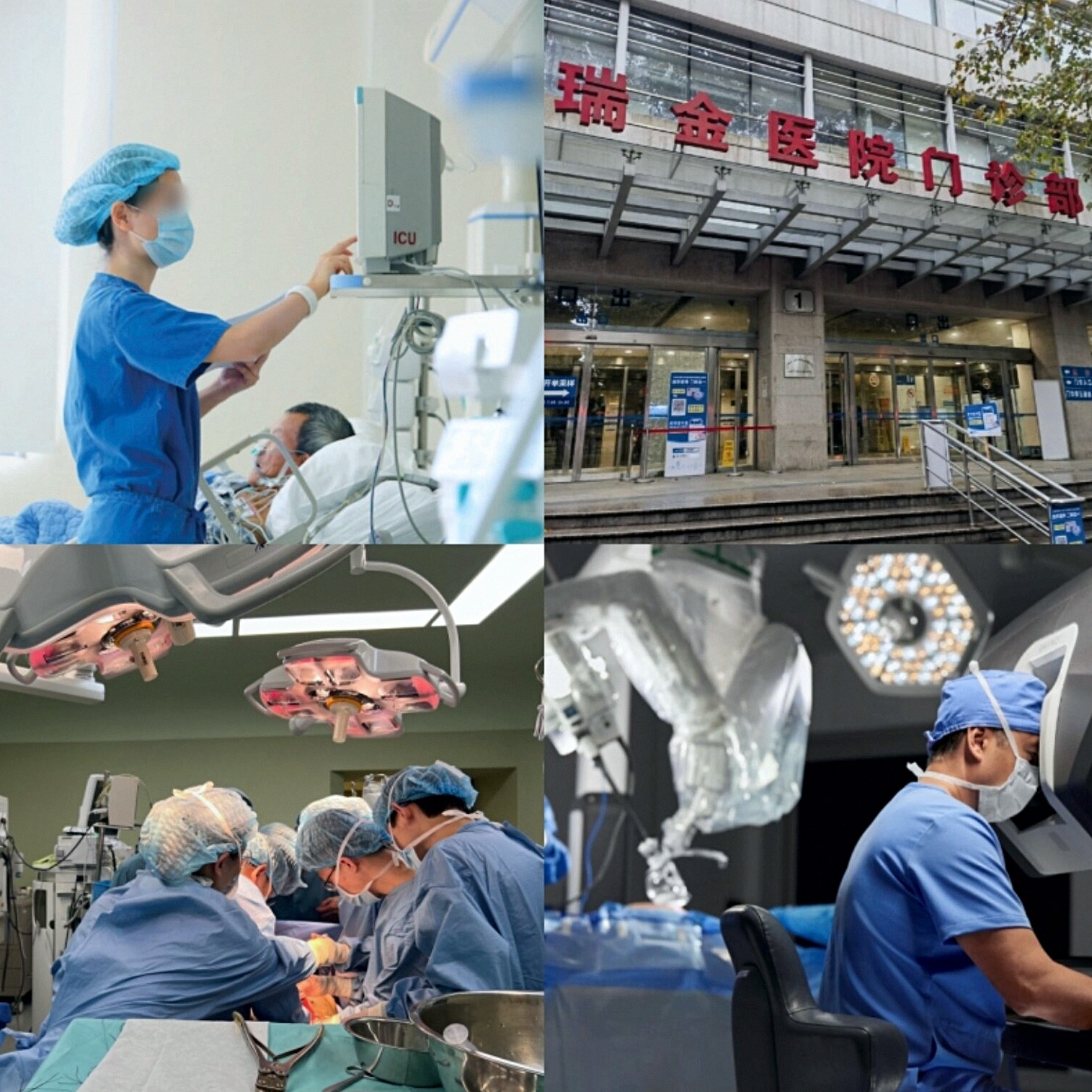
Wrong. China has over 60 JCI-accredited hospitals — more than any country in Asia except India. The top-tier hospitals where international patients receive care operate under the same sterilization protocols, surgical safety checklists, and infection control standards you'd find at Johns Hopkins or the Cleveland Clinic. Complication rates at these centers are published and audited. The hospital system you see in a viral video is not the hospital system you'd be treated in. We refer patients exclusively to Grade A, Triple-A rated institutions — the highest classification in China's hospital ranking system.
2. "No one speaks English."
Partially true — but misleading. Your surgeon likely speaks English. Your international patient coordinator definitely does. The nursing staff on international wards increasingly do. Where you'll hit friction is the pharmacy counter, the hospital canteen, and the taxi ride back to your hotel. That's why every international patient is assigned a bilingual coordinator who handles those interactions. You won't be navigating the system alone. Check our how it works page to see exactly how coordination works from arrival to discharge.
3. "The equipment is outdated."
The opposite is true. China's top hospitals are on a technology spending spree. Da Vinci robotic surgery systems, MAKO robotic joint replacement, intraoperative MRI suites, proton beam therapy centers — China now has more installed units of several advanced medical devices than any country except the United States. Many hospitals are operating equipment that's newer than what you'd find at your local community hospital back home. The infrastructure gap that existed fifteen years ago has closed, and in some specialties, reversed.
4. "They'll overcharge foreigners."
This is the myth I hear most — and it's the least accurate. Chinese public hospitals operate on standardized government-regulated fee schedules. A CT scan costs the same whether you're from Beijing or Boston. Private hospitals and international departments do charge premiums, but these are posted transparently and quoted before treatment begins. There's no haggling, no surprise bills, no balance billing. You'll receive an itemized invoice before you pay. Compare that to the billing opacity of the American hospital system, and the difference is stark. Our pricing page shows typical cost ranges.
5. "I can't bring my medical records home."
Completely false. Every hospital we work with provides a comprehensive discharge summary in English, including operative reports, pathology results, imaging on USB or cloud access, medication lists, and follow-up recommendations. These documents are formatted for international use. Your doctor at home will be able to read them. Many hospitals also offer direct physician-to-physician consultation if your home surgeon has questions about the procedure performed.
6. "The food will be terrible."
Depends on your definition. Hospital food in China is different from hospital food in the US — it's actually real food. Rice porridge, steamed fish, vegetable soups, noodles. It's bland by Chinese restaurant standards but nutritious and freshly prepared. If you can't handle chopsticks post-surgery, spoons are available (I promise). Most hospitals also have international menus on request, and food delivery apps like Meituan work inside hospital buildings. You won't starve, and you might be surprised by how good the congee is.
7. "I'll be completely alone."
This is the fear beneath all the other fears, and it's the one I take most seriously. You won't be alone. Every international patient gets a dedicated coordinator who speaks your language, carries a phone you can call 24/7, and is physically present for every major appointment. Many patients also connect with other international patients at the same hospital — there's an informal community. We arrange airport pickup, hotel booking, and in-hospital orientation before your first consultation. The consultation process starts weeks before you arrive, so by the time you land, you already know your team by name.
None of this means getting surgery in China is without challenges. It's a foreign country. The culture is different. The food is different. The language gap is real even with support. But the specific fears most patients carry — about safety, about quality, about being exploited or abandoned — don't hold up against what actually happens in these hospitals every day.
The best way to judge is to ask the patients who've already done it. We can connect you with them.
This article is for informational purposes only and does not constitute medical advice. Always consult a qualified healthcare provider for diagnosis and treatment decisions.