Recovering in Xi'an: 10 Things to Do While Healing (That Aren't Lying in Bed)
A local guide to Xi'an for patients and companions during recovery. Parks, food, culture, and calm spots away from the hospital.
You've had your surgery. The hard part is over. Now you have 5-14 days in Xi'an before your follow-up appointment. Here's how to actually enjoy them.
Xi'an isn't just a medical destination — it's one of the oldest cities in the world, the eastern end of the Silk Road, and home to some of China's best street food. You don't have to spend your recovery staring at hospital walls. Whether you're healing from a procedure or accompanying someone who is, these ten spots will make the wait feel less like waiting and more like a trip worth remembering.
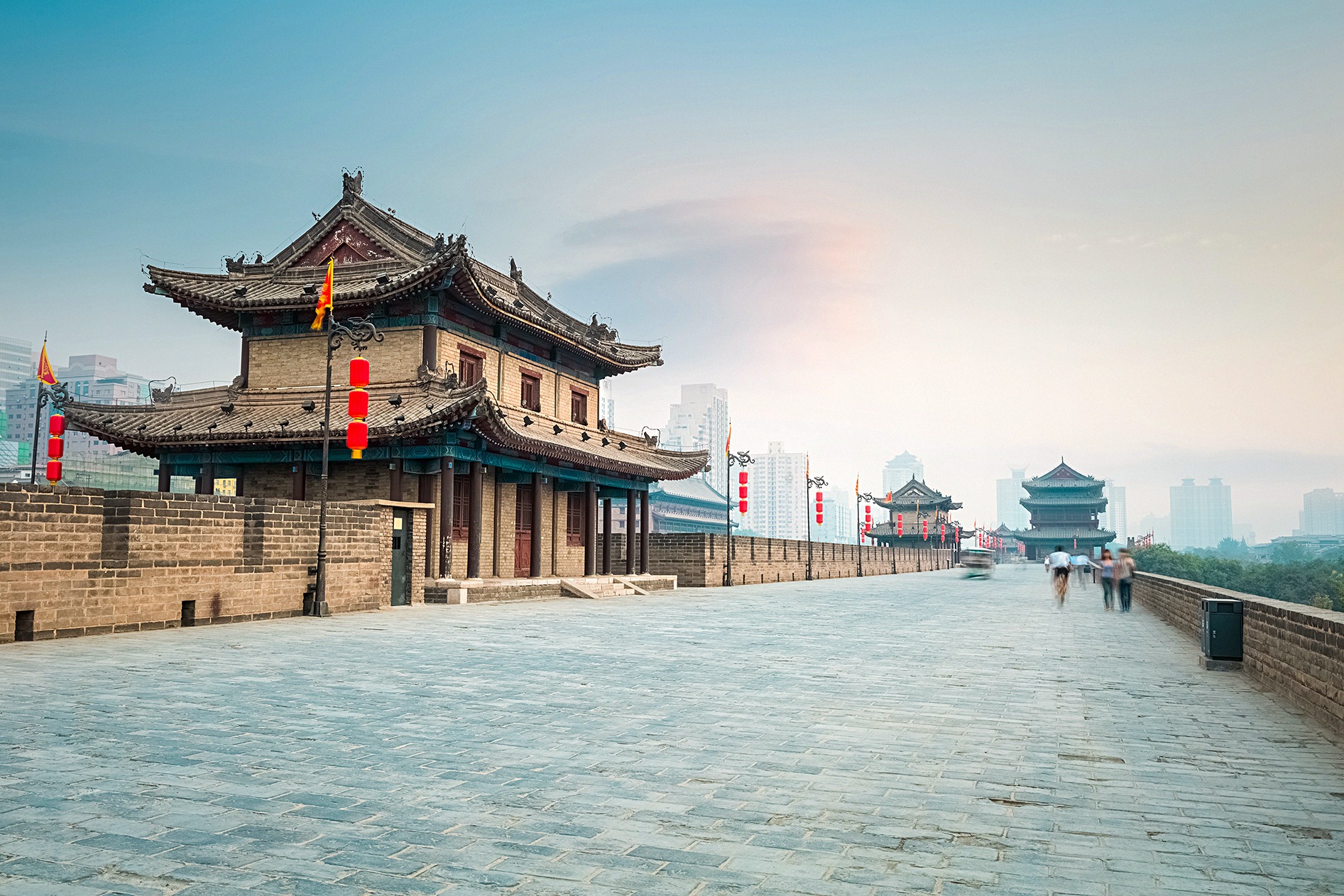
1. Walk the City Wall (Yes, It's Wheelchair Accessible)
Xi'an's ancient city wall is 13.7 kilometers around and wide enough to drive a car on. You don't have to walk the whole thing. Several of the gate towers have elevators, and the top surface is flat, paved, and smooth — manageable for wheelchairs, walkers, or anyone who just needs to move slowly. Go in the late afternoon when the light turns golden and the crowds thin out. Rent a tandem bike if your companion is up for pedaling while you sit. There are rest stops with benches and small shops selling water and snacks every few hundred meters. The South Gate (Yongning Gate) has the best accessibility infrastructure.
2. Daxingshan Temple — Quiet Without the Tourist Crush
Everyone goes to the Big Wild Goose Pagoda. Skip it during recovery — it's crowded and requires a lot of walking. Daxingshan Temple, about 10 minutes south by taxi, offers the same kind of peaceful atmosphere without the tour bus hordes. It's a working Buddhist temple with shaded courtyards, benches under ancient trees, and the smell of incense drifting through the halls. There's a small vegetarian restaurant inside the grounds. Entry is free. It's the kind of place where you can sit for an hour doing nothing and feel better for it.
3. TCM Massage and Acupuncture at a Licensed Clinic
This is Xi'an, the heartland of traditional Chinese medicine. If your doctor approves it — and ask first, because some post-surgical patients need to wait — a TCM massage or acupuncture session can do wonders for recovery. We recommend clinics affiliated with the Shaanxi Provincial Hospital of Traditional Chinese Medicine rather than random storefronts. A 60-minute tuina massage runs about $15-$25. Acupuncture sessions are similar. Tell the practitioner what surgery you had and where your incisions are. They'll adjust the treatment accordingly. Many patients find that acupuncture helps with post-operative pain management and sleep quality. If you're interested in exploring TCM as part of your recovery, check the treatments page for options we coordinate with partner clinics.
4. The Muslim Quarter — Eat Your Way Through Recovery
The Muslim Quarter (Huimin Jie) is a 15-minute walk from the Bell Tower and it's one of the best food streets in China. Go hungry. The standout dishes are gentle on post-surgery stomachs: yangrou paomo (lamb soup with broken flatbread — warm, soft, easy to digest), persimmon cakes (sweet, crispy, nothing too heavy), and hand-pulled biangbiang noodles if you're feeling up to something more substantial.
For a sit-down meal, try Lao Sun Jia near the Great Mosque. It's been serving yangrou paomo since 1898 — no exaggeration. The lamb is slow-simmered for hours and the broth is rich without being greasy. Point at what you want if you don't speak Mandarin; the staff is used to tourists. Budget about $5-$8 per person for a full meal. Your companion will love it too.
The streets are flat but can get packed in the evenings. Go mid-morning or mid-afternoon for a calmer experience. There are plenty of spots to sit if you need breaks.
5. Huaqing Hot Springs
Thirty minutes east of downtown Xi'an, at the foot of Mount Li, Huaqing Pool has been a hot spring site for over 3,000 years. The historical pools are for looking at, not soaking in, but the adjacent Huaqing Palace resort complex has private hot spring rooms you can book by the hour. The mineral water is naturally heated to around 43°C and rich in sulfates and trace minerals. If you're cleared for soaking — check with your surgeon, especially regarding incision sites — it's deeply relaxing. Even if you can't get in the water, the gardens around the springs are beautiful and flat, with paved paths and plenty of seating. Companions will enjoy the Tang Dynasty historical exhibits while you rest on a bench in the sun.
6. Shaanxi History Museum (Take the Electric Cart)
One of China's best museums and it won't exhaust you. The Shaanxi History Museum houses artifacts spanning 3,000 years — Tang Dynasty gold, Qin bronze weapons, Han Dynasty jade burial suits. It's air-conditioned, which matters in Xi'an's summer heat. The museum offers electric cart tours for visitors with limited mobility. Request one at the entrance. Free admission with ID (passport works), though the special exhibition hall is a small fee. Go early to avoid lines. Two hours is enough to see the highlights without overdoing it.
7. Tang Paradise Park at Dusk
A large lakeside park built in Tang Dynasty architectural style. It's not historically authentic — it was built in 2003 — but it's gorgeous, especially at dusk when the buildings light up and reflect off the water. The paths are flat and paved, there are benches everywhere, and the pace is slow. You can rent a small electric boat if walking feels like too much. In the evenings, there's sometimes a water and light show on the lake. It's the kind of place where you can spend two hours without walking more than a kilometer. Good for companions who need something beautiful to look at after days of hospital corridors.
8. Calligraphy and Tea at Shu Yuan Men
Shu Yuan Men (Book Academy Gate Street) runs south from the city wall and it's lined with shops selling calligraphy brushes, ink stones, handmade paper, and art. The atmosphere is calm and scholarly — the opposite of the tourist market energy you'd find elsewhere. Several tea houses on this street offer traditional gongfu tea service. Sit down, let someone who knows what they're doing brew you a pot of pu'er or jasmine, and watch the street from the window. A tea session costs $5-$15 depending on the tea quality. It's slow, meditative, and exactly the right speed for recovery days. If you're interested in traditional Chinese medicine and its relationship with tea culture, this is where you'll feel that connection most naturally.
9. Small Wild Goose Pagoda and the Xi'an Museum
Less famous than its big sibling, the Small Wild Goose Pagoda is a quieter, more intimate site. The surrounding garden complex includes the Xi'an Museum (free entry), ancient courtyards with pomegranate trees, and a tea room. The grounds are flat. There's a spot near the pagoda base where locals practice tai chi in the mornings — watching is free and surprisingly calming. The pagoda itself has a crack from a 1556 earthquake that never got repaired. It's been standing like that for almost 500 years. There's something reassuring about that when you're in recovery mode.
10. Sunrise Walk Along the Ba River Wetland Park
If you're an early riser and feeling strong enough for a longer walk, the Ba River Wetland Park on the city's eastern edge is worth the taxi ride. The park runs along the riverbank with wide, flat gravel paths through reed beds and willow groves. It's where locals go to walk, fish, and fly kites. In the early morning, the light is soft and the air is the cleanest you'll find in Xi'an. There are benches every 100 meters or so. Don't try to walk the entire length — just find a stretch you like and go back and forth at whatever pace feels right. It's the closest you'll get to countryside calm without leaving the city.
Recovery doesn't have to mean isolation. Xi'an has enough beauty, history, and good food to fill your days between appointments without exhausting you. Take it slow, listen to your body, and don't skip the yangrou paomo.
If you're planning a medical trip to Xi'an and want to build recovery time into your schedule, our team can help coordinate logistics — hospital appointments, accommodation near the clinic, and local support. Visit how it works to see how we structure the full patient journey.
This article is for informational purposes only and does not constitute medical advice. Always consult a qualified healthcare provider for diagnosis and treatment decisions.