Inside Beijing Tiantan: Brain Tumor Surgery in China, Up Close
A walk through one of the world's busiest neurosurgery centers — intraoperative MRI suites, awake craniotomies, and what brain tumor surgery in China costs foreigners.
Inside Beijing Tiantan: Brain Tumor Surgery in China, Up Close
At 7:40 a.m. the third-floor corridor of the neurosurgery building is already full. Families sit on folding stools with thermoses of congee, a porter wheels a sleeping patient past with a fresh dressing wrapped like a turban, and a whiteboard by the nurses' station lists the day's operating theaters — more than forty of them — in tight blue handwriting.
This is Beijing Tiantan Hospital, home of China's National Clinical Research Center for Neurological Diseases. Its neurosurgery department performs more than 10,000 operations a year, a volume that places it among the largest neurosurgical centers anywhere in the world. For context, a busy academic neurosurgery department in the United States typically performs somewhere between 3,000 and 6,000.
I spent two days following patients and surgeons through the building to understand what brain tumor surgery in China actually looks like for an international patient — and where the experience still falls short.
The Outpatient Floor: Where Volume Becomes Pattern Recognition
The outpatient clinic is loud, crowded and astonishingly fast. A senior attending sees a stream of MRI films on a wall-mounted screen, often deciding within minutes whether a lesion is a likely meningioma, a low-grade glioma, or something that needs a biopsy first.
"When you see thirty skull-base tumors in a week, you stop guessing," one attending neurosurgeon told me between patients. "You remember the last fifty that looked like this one, and you remember what happened to them."
That is the real argument for high-volume centers. Outcomes in complex neurosurgery are tied closely to how often a team performs a given operation. Tiantan's surgeons sub-specialize early: there are dedicated teams for gliomas, skull-base tumors, pituitary lesions, pediatric tumors, and vascular disease.
International patients do not queue in this hall. Their records — MRI, CT, pathology if any — are reviewed in advance by the relevant sub-specialty team, and the first in-person visit is scheduled as a planning consultation rather than a screening.
The Imaging Suite: Planning the Route Before the First Incision
Down one floor, the imaging department runs functional MRI and diffusion tensor imaging (DTI) almost around the clock. These scans map where language, movement and vision live in each individual brain, and trace the white-matter tracts that connect them.
A neuroradiologist showed me a reconstruction of a patient's left temporal lobe: a glioma sitting a few millimeters from the arcuate fasciculus, the fiber bundle that carries language. "The tumor doesn't care about textbook anatomy," she said. "So we map this person's brain, not an average brain."
These maps are loaded into neuronavigation systems in the operating room, so the surgeon can see in real time where the instrument tip sits relative to the tumor and the critical tracts.
The Operating Rooms: Intraoperative MRI and Awake Surgery
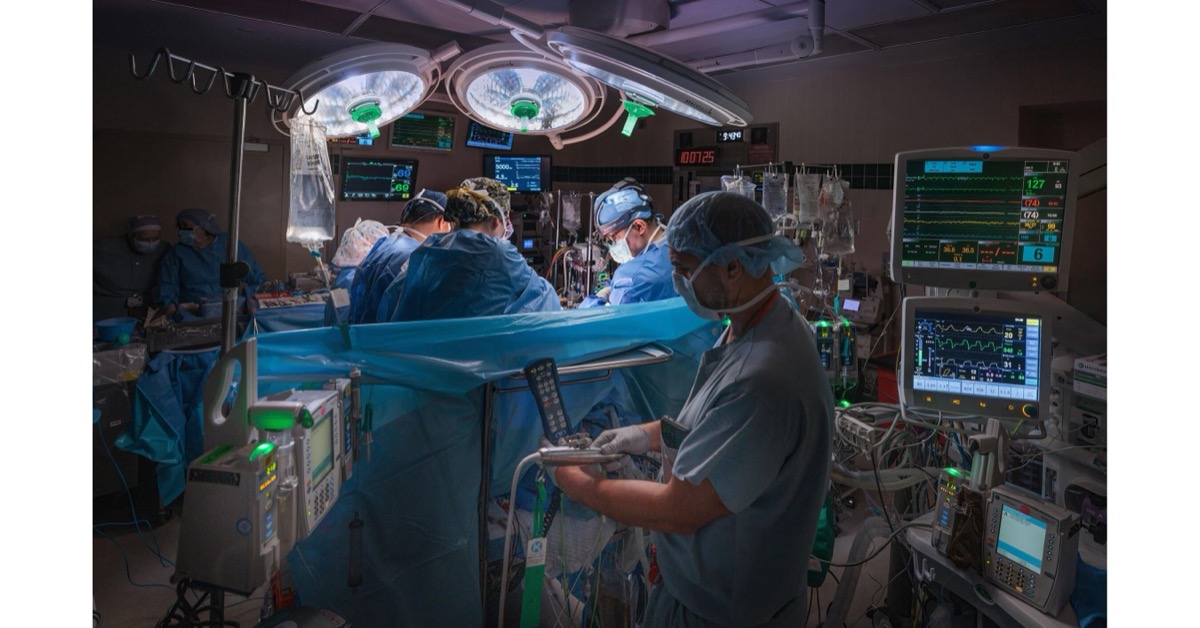
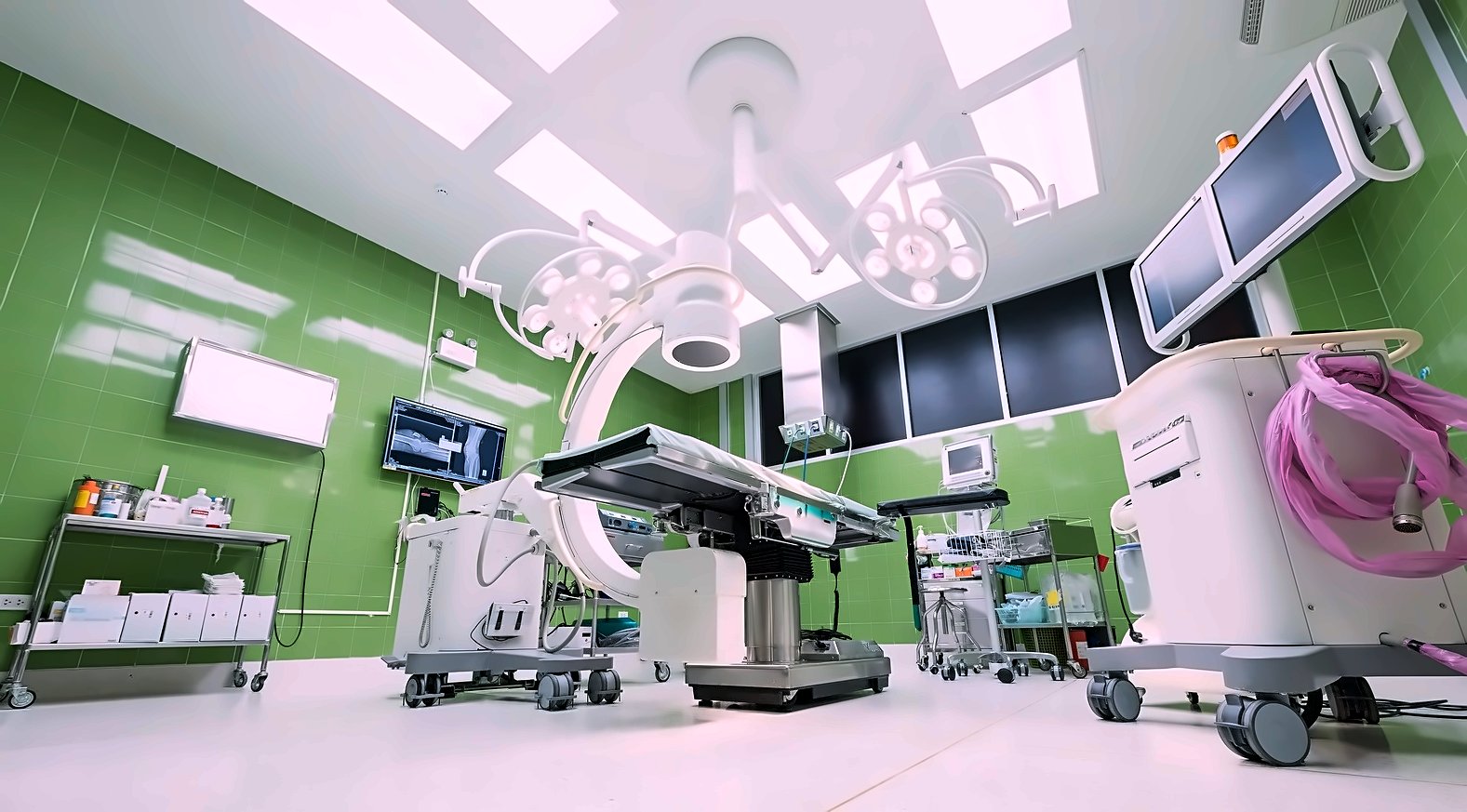
The most striking room in the building is the intraoperative MRI (iMRI) suite. Mid-operation, once the surgeon believes most of a tumor is out, the patient is scanned without leaving the table. If residual tumor shows up, the surgeon goes back in.
For gliomas, this matters enormously. The extent of resection is one of the strongest predictors of survival, and iMRI lets surgeons remove more tumor while protecting function.
Other rooms are equipped with high-end operating microscopes with fluorescence modules — the tumor glows under a specific light after the patient takes a dye — and ultrasonic aspirators that break up tumor tissue without damaging the vessels around it.
Then there are awake craniotomies. For tumors near language or motor areas, the patient is woken mid-procedure and asked to name pictures, count, or move a hand while the surgeon stimulates the brain surface. If speech falters, that spot is left alone.
"Foreign patients are usually terrified when we explain awake surgery," an anesthesiologist told me. "Afterwards, most say the worst part was the urinary catheter."
The Neuro-ICU: The First 24 Hours
After surgery, patients go to a dedicated neurosurgical intensive care unit. Nurses perform neurological checks every hour: pupils, grip strength, speech, level of consciousness. Most patients after uncomplicated tumor removal spend one night here before moving to a regular ward.
The ICU is the part of the building where Western patients notice the cultural differences most. Visiting is strictly limited, and families are expected to wait outside. Our coordinators usually brief families in advance so this doesn't come as a shock.
The Ward: Recovery and the Path Home
On the ward, the pace is brisk. Patients are encouraged to sit up on day one and walk on day two. Typical hospital stays after a craniotomy for a benign tumor run 5 to 8 days; after pituitary surgery through the nose, often 3 to 5.
Pathology results usually return within 5 to 7 working days, with molecular markers (IDH, 1p/19q, MGMT) for gliomas following later. That timing matters for international patients, because the decision about radiotherapy or chemotherapy depends on it.
What It Costs an International Patient
These are typical all-in ranges we see for international patients at top-tier Chinese neurosurgery centers, compared with typical self-pay quotes in the United States.
| Procedure | China (USD) | United States (USD) |
|---|---|---|
| Craniotomy for meningioma | $15,000 – $28,000 | $60,000 – $120,000 |
| Glioma resection with iMRI | $22,000 – $38,000 | $90,000 – $160,000 |
| Endoscopic pituitary surgery | $12,000 – $20,000 | $45,000 – $90,000 |
| Gamma Knife radiosurgery | $8,000 – $14,000 | $25,000 – $55,000 |
Prices include surgery, anesthesia, imaging, ICU and ward stay. They don't include flights, accommodation for a companion, or post-surgical radiotherapy. Our pricing page explains how packages are structured.
Key Numbers at a Glance
- 10,000+ neurosurgical operations per year at Tiantan
- 40+ operating theaters in the neurosurgery complex
- 1 night typical neuro-ICU stay after uncomplicated tumor surgery
- 5–8 days typical hospital stay after craniotomy
- 2–3 weeks typical time from submitting records to surgery date for international patients
The International Patient Experience — Honestly
Not everything is seamless. English is strong among senior surgeons, many of whom trained in the US, Germany or Japan, but nurses on the ward speak limited English. A bilingual coordinator or medical interpreter is essential, not optional.
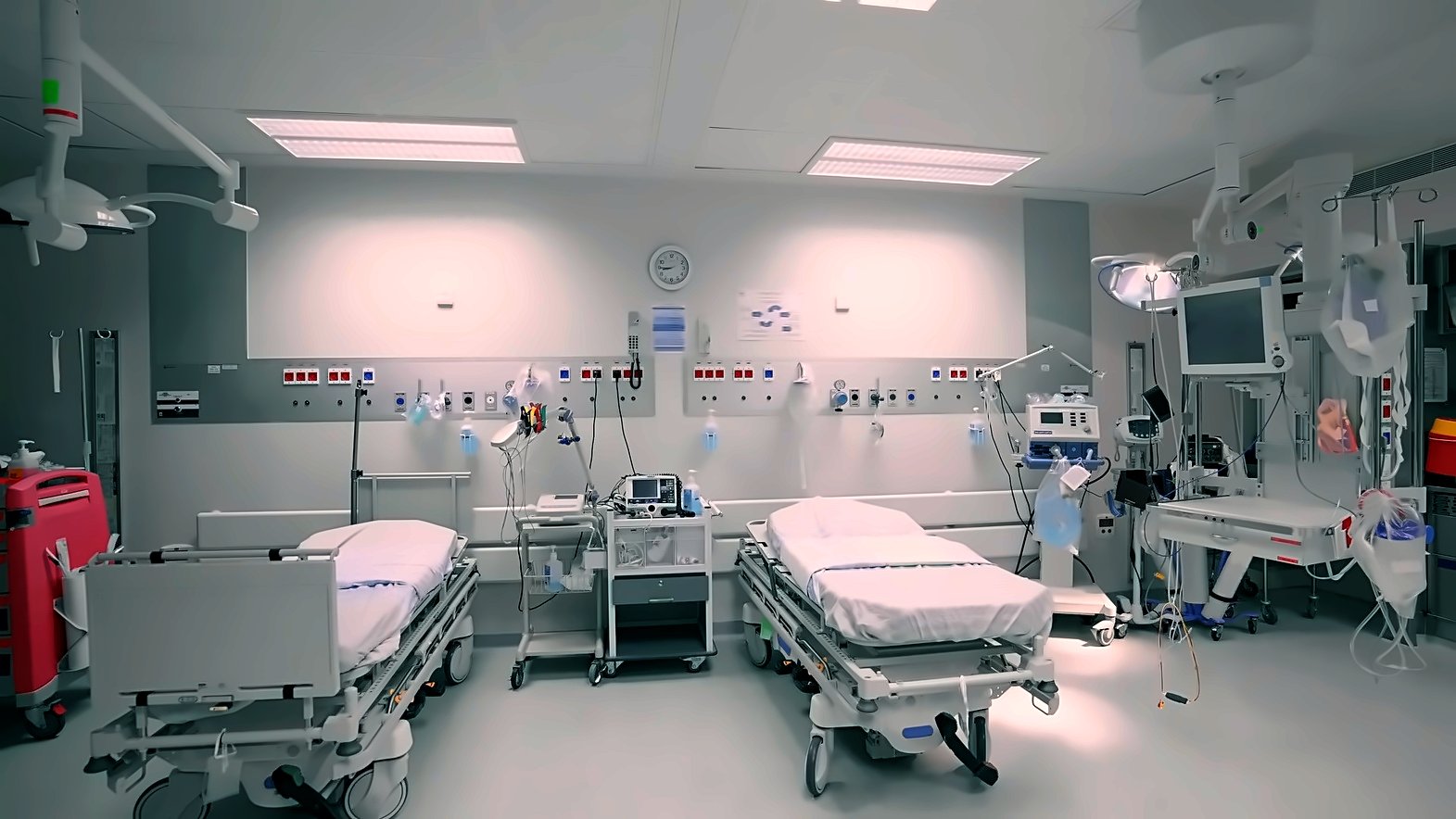
The hospital is also a public institution built for Chinese patients first. Rooms are clean and functional rather than luxurious, and VIP wards fill quickly. If privacy and a private bathroom matter to you, request it early.
What you get in exchange is access to surgeons who perform your exact operation several times a week, with equipment that matches the best centers in the West, at roughly a quarter of the price.
If you're comparing options, read about the 12-hour giant aneurysm surgery at Zhongshan Hospital, or see how XJTU Hospital uses CT-guided interventional radiology for brain tumors. Tiantan's research side is also worth knowing about — its team recently published an ALS gene therapy study in Nature Medicine.
How to Start
Brain tumor decisions are time-sensitive, but they shouldn't be rushed. The most useful first step is to send your MRI (DICOM files, not just the report) and any pathology for a second opinion from a sub-specialty team.
Request a free case review and we'll tell you honestly whether surgery in China makes sense for your case — and if it does, walk you through how the process works, from records to visa to the day you fly home.
This article is for informational purposes only and does not replace advice from your own physician. Costs are typical ranges and vary by case complexity.
This article is for informational purposes only and does not constitute medical advice. Always consult a qualified healthcare provider for diagnosis and treatment decisions.