Modified Device, Maximized Safety: Tangdu Hospital's Improved Endovascular Approach to Thoracic Aortic Disease
Tangdu Hospital's vascular surgery team used a modified endovascular delivery system to repair complex thoracic aortic disease — breaking through anatomical barriers that would have required open chest surgery at most hospitals.
A Modified Device That Turns Impossible Aortic Cases into Routine Procedures
Thoracic aortic disease — including dissections, aneurysms, and penetrating ulcers — often requires urgent intervention. Endovascular repair (TEVAR) has revolutionized treatment by allowing surgeons to place stent grafts through the femoral artery rather than opening the chest. But not every patient's anatomy cooperates with standard devices.
At Tangdu Hospital (Air Force Medical University, Xi'an), the vascular and cardiac surgery team has developed modified endovascular delivery techniques that extend the reach of minimally invasive aortic repair to patients who would otherwise require open surgery.
The Clinical Problem
Standard endovascular stent grafts require specific anatomical conditions to work safely:
| Anatomical Challenge | Why It's a Problem | Traditional Solution |
|---|---|---|
| Short landing zone | Not enough healthy aorta above/below the disease for the graft to seal | Open surgical bypass + stent |
| Tortuous anatomy | Sharp bends prevent standard delivery catheters from navigating | Open surgery |
| Branch vessel involvement | Disease extends to arteries supplying the brain or organs | Hybrid or open procedure |
The Tangdu Innovation
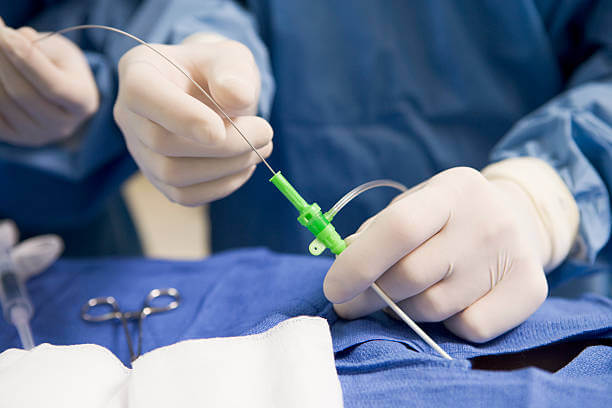
The team modified the delivery system and stent graft configuration to navigate challenging anatomy that would defeat standard devices. Using customized catheter modifications and refined deployment techniques, they successfully completed endovascular repair in cases previously considered unsuitable for minimally invasive treatment.
Post-operative angiography confirmed successful exclusion of the diseased aortic segment with preserved flow to all branch vessels.
Aortic Surgery Cost: China vs Western Countries
| Procedure | China (Tangdu Hospital) | United States |
|---|---|---|
| TEVAR (standard) | $18,000 - $30,000 | $80,000 - $150,000 |
| TEVAR with modified/custom device | $22,000 - $38,000 | $100,000 - $200,000 |
| Open thoracic aortic repair | $25,000 - $45,000 | $100,000 - $250,000 |
| Hybrid arch repair | $30,000 - $50,000 | $120,000 - $280,000 |
China prices include procedure, stent graft device, hospital stay, ICU, and follow-up imaging.
About Tangdu Hospital
- Affiliated with Air Force Medical University — one of China's top military medical universities
- Vascular and cardiac surgery with extensive endovascular aortic repair experience
- Located in Xi'an — SinomedTrip's home city
Frequently Asked Questions
What is endovascular aortic repair and how does it differ from open surgery?
Endovascular aortic repair (EVAR/TEVAR) is a minimally invasive procedure where a stent-graft is delivered through a small incision in the groin artery and deployed inside the diseased aorta, reinforcing the vessel wall from within. Unlike open surgery, it does not require opening the chest or abdomen, resulting in shorter recovery times, less pain, and lower complication rates.
Why would a modified device be needed for my aortic condition?
Standard off-the-shelf stent-grafts are designed for typical aortic anatomy, but many patients have unusual vessel shapes, aneurysm locations near critical branch arteries, or other anatomical challenges that standard devices cannot safely address. Modified or customized devices are adapted to fit the patient's specific anatomy, expanding the pool of patients who can benefit from minimally invasive repair rather than open surgery.
How long does recovery take after endovascular aortic repair?
Most patients are up and walking the day after endovascular aortic repair and are discharged within 3 to 5 days. Full recovery typically takes 2 to 4 weeks, compared to 2 to 3 months for open surgical repair. Follow-up CT scans are needed at regular intervals to ensure the stent-graft remains properly positioned and the aneurysm is excluded from blood flow.
Can I get a second opinion on my aortic condition from Tangdu Hospital before committing to travel?
Yes. SinomedTrip facilitates remote second opinions where the Tangdu Hospital vascular surgery team reviews your CT angiography and medical records. You will receive a detailed assessment including whether endovascular repair is feasible for your anatomy, the recommended approach, estimated costs, and expected length of stay. This process typically takes 3 to 5 business days.
Facing complex aortic disease? Request a free vascular surgery consultation →
This article is for informational purposes only and does not constitute medical advice. Always consult a qualified healthcare provider for diagnosis and treatment decisions.