World's First: Autonomous Robot Completes Orthognathic (Jaw) Surgery in China
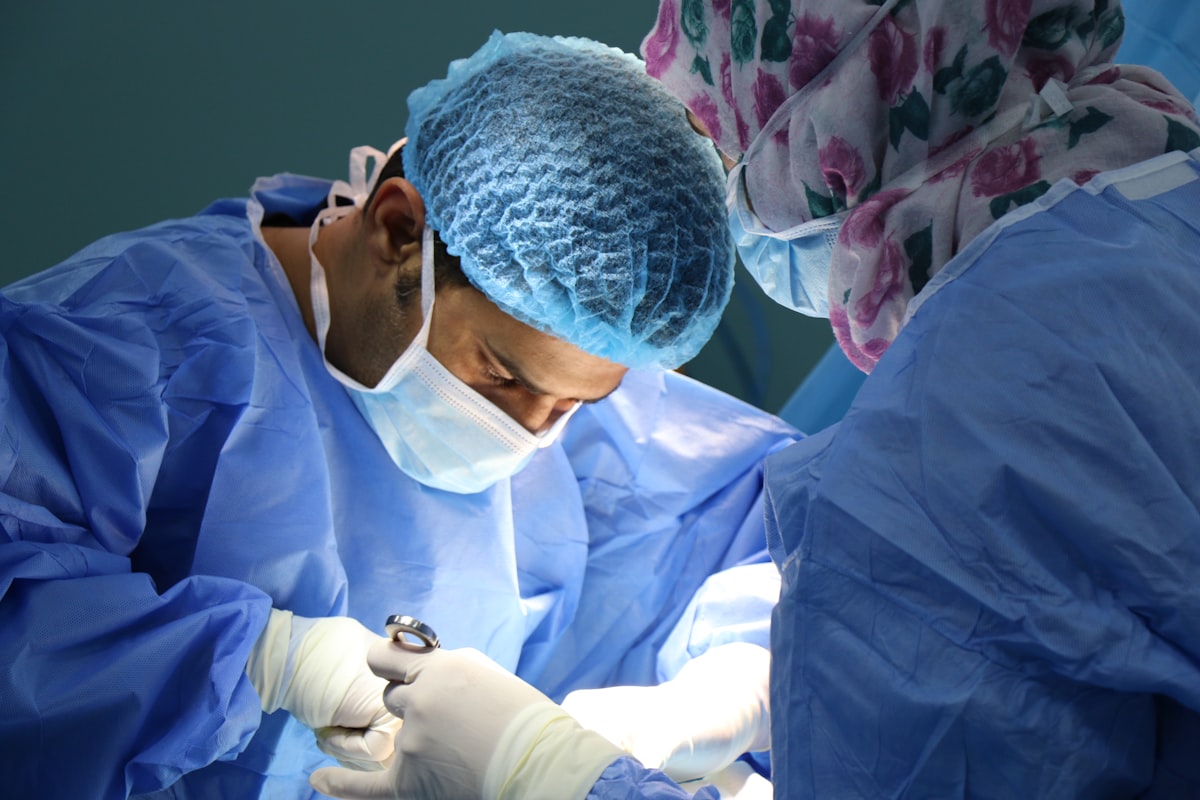
A Chinese research team has achieved a global milestone — the first autonomous robotic orthognathic surgery, performing precise jaw bone cutting and repositioning without direct human control of the instruments.
A Global First in Robotic Jaw Surgery
A team led by Academician Zhao Yimin at the Stomatological Hospital affiliated with the Air Force Medical University (Xi'an, China) has achieved what no surgical team in the world has done before: an autonomous robot independently completed the core steps of orthognathic surgery — cutting and repositioning the jawbone with millimeter-level precision.
This is not robot-assisted surgery where a surgeon controls robotic arms. The robot autonomously executed the bone cuts and repositioning based on a pre-operative 3D surgical plan, marking a paradigm shift in maxillofacial surgery.
What Happened
The patient, referred to as Xiao Ye, had long suffered from mandibular prognathism (protruding lower jaw), midface depression, and facial asymmetry. These conditions severely affected both facial appearance and oral function, requiring orthognathic surgery to correct the skeletal deformity.
The critical surgical steps included:
- LeFort I osteotomy — Cutting the upper jaw (maxilla) free from the midface skeleton
- Bone segment repositioning — Moving both the upper and lower jaw segments to their ideal positions as planned pre-operatively
These are among the most precision-demanding procedures in oral and maxillofacial surgery. Any deviation of even 1-2mm can affect post-operative facial symmetry, bite alignment, speech, and chewing function.
How the Robot Performed
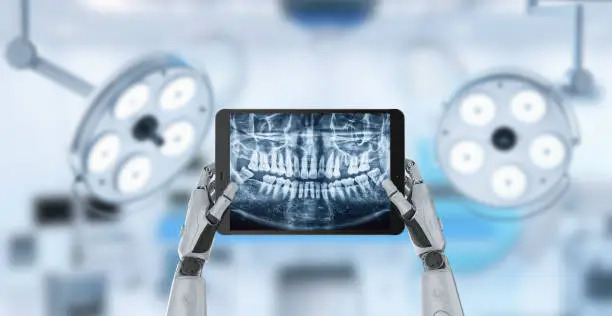
Prior to surgery, the team created a 3D virtual surgical plan using the patient's CT scan and dental impression data, defining the optimal cutting planes and final bone positions.
During the procedure, the robot's intelligent algorithms and high-precision robotic arm drove specialized bone-cutting instruments along the planned trajectory to complete the LeFort I osteotomy. It then autonomously repositioned the freed upper and lower jaw segments to their pre-planned ideal positions — achieving both cosmetic improvement and functional bite correction.
Why This Matters for International Patients
This breakthrough demonstrates that China is at the global forefront of surgical robotics — not just using existing platforms like da Vinci, but developing entirely new autonomous systems.
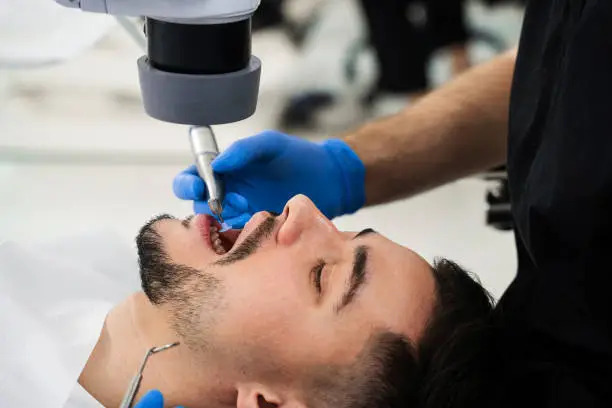
For patients considering jaw surgery, facial reconstruction, or complex dental procedures, this technology offers:
- Sub-millimeter precision that exceeds the steadiest human hand
- Reduced human error in the most critical surgical steps
- Reproducible outcomes regardless of surgeon fatigue or experience variation
- Shorter operative time as robotic execution is faster than manual techniques
The Bigger Picture
This is the same research team that has previously used their autonomous oral surgery robot for dental implant placement, autogenous tooth transplantation, periapical surgery, and single-day jaw reconstruction. The orthognathic surgery milestone confirms the system can handle the most complex procedures in oral and maxillofacial surgery.
Orthognathic Surgery Cost: China vs Western Countries
| Procedure | China | United States | South Korea |
|---|---|---|---|
| Single jaw (Le Fort I or BSSO) | $8,000 - $15,000 | $20,000 - $40,000 | $15,000 - $25,000 |
| Double jaw (bimaxillary) | $12,000 - $22,000 | $40,000 - $80,000 | $20,000 - $35,000 |
| Genioplasty (chin surgery) | $3,000 - $6,000 | $10,000 - $20,000 | $5,000 - $10,000 |
China prices include surgery, hospital stay, imaging, and post-operative care.
How to Access This Treatment
SinomedTrip partners with top-tier oral and maxillofacial surgery centers across China, including those pioneering robotic surgical techniques. Our process:
- Submit your dental/facial imaging (panoramic X-ray, CBCT, or facial photos) for preliminary assessment
- Receive a customized treatment plan from the surgical team
- Travel to China with full concierge support
- Surgery and recovery with 24/7 bilingual coordination
Frequently Asked Questions
What is orthognathic surgery and who needs it?
Orthognathic surgery corrects significant jaw misalignments that cannot be fixed with orthodontics alone. It treats conditions including severe underbite, overbite, open bite, facial asymmetry, and obstructive sleep apnea caused by jaw anatomy. The surgery repositions the upper jaw, lower jaw, or both to achieve proper alignment, improving both function (chewing, breathing, speaking) and facial aesthetics.
What are the advantages of robotic orthognathic surgery over traditional methods?
Robotic surgery offers submillimeter precision in bone cutting and repositioning, which is critical for achieving optimal facial symmetry and bite alignment. Traditional orthognathic surgery relies on the surgeon's manual skill and intraoperative judgment, which introduces human variability. The robotic system follows a pre-planned surgical path with extreme accuracy, potentially improving aesthetic outcomes and reducing the need for revision procedures.
How much does orthognathic surgery cost in China compared to other countries?
Orthognathic surgery in China typically costs $8,000 to $18,000, compared to $20,000 to $50,000 in the United States or $15,000 to $30,000 in South Korea. This includes all surgical fees, hospital stay, and follow-up care. Even with travel expenses, most international patients save 50-70% compared to having the procedure at home, while accessing cutting-edge robotic technology not available at many Western centers.
How long is the recovery after robotic orthognathic surgery and when can I fly home?
Recovery after robotic orthognathic surgery is similar to traditional jaw surgery, with most patients spending 3 to 5 days in the hospital. Jaw swelling peaks at 48 to 72 hours and gradually subsides over 2 to 4 weeks. Most patients can fly home 7 to 10 days after surgery. A liquid or soft diet is required for 4 to 6 weeks, and full recovery takes 3 to 6 months.
Can I combine orthognathic surgery with orthodontic treatment in China?
Yes. Many international patients complete their pre-surgical orthodontic preparation with a local orthodontist and then travel to China specifically for the surgical phase, which benefits from robotic precision. Post-surgical orthodontic adjustments can be continued at home. Alternatively, patients can complete the entire orthodontic and surgical process in China if they plan for multiple visits or an extended stay.
Considering jaw surgery or facial reconstruction? Get a free consultation →
This article is for informational purposes only and does not constitute medical advice. Always consult a qualified healthcare provider for diagnosis and treatment decisions.