One Surgery, Two Deadly Problems: How Zhongshan Hospital Saved a Stroke Patient
A 68-year-old woman suffered simultaneous brain hemorrhage and stroke. Zhongshan Hospital's neurosurgery team resolved both in a single 1-hour procedure using a flow-diverting stent.
Her Brain Was Bleeding and Blocked at the Same Time
At 2 AM on a February morning in 2025, 68-year-old Zhao Ayi suddenly lost her vision. Within minutes, she stopped breathing.
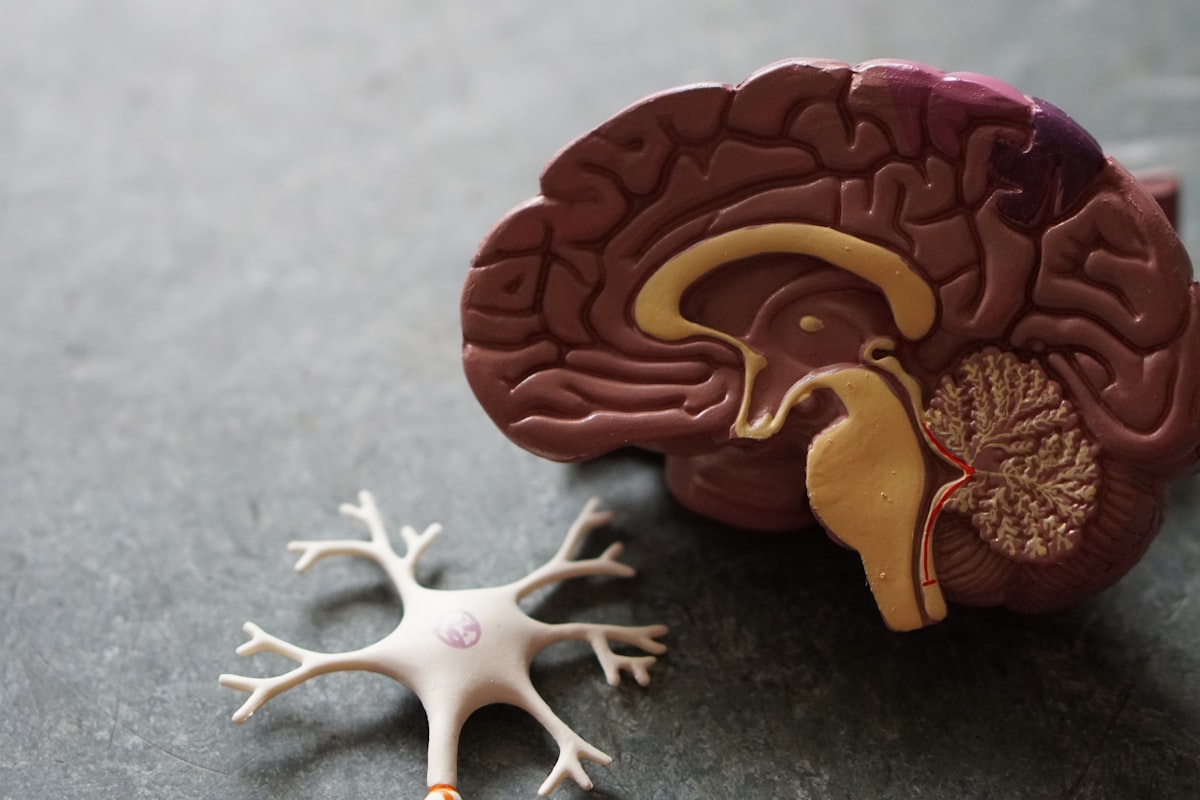
Emergency imaging revealed a nightmare scenario: massive subarachnoid hemorrhage — blood flooding the space around her brain — combined with cerebellar infarction on the left side. Her vertebral artery had torn from the inside, creating what neurosurgeons call a dissection — imagine an aging pipe whose inner lining peels away, simultaneously blocking flow and leaking from the weakened wall.
Two life-threatening conditions. One damaged vessel. And a patient whose heart had already stopped once.
She was rushed to the neurosurgery department at Zhongshan Hospital, Fudan University in Shanghai.
Why This Case Was Nearly Impossible
Vertebral artery dissection with concurrent hemorrhage and ischemia presents an extraordinary clinical dilemma:
| Problem | What It Means | Traditional Treatment |
|---|---|---|
| Subarachnoid hemorrhage | Blood leaking around the brain; risk of fatal re-rupture | Surgery to seal the leak — but this could worsen the blockage |
| Cerebellar infarction | Brain tissue dying from blocked blood supply | Blood thinners to restore flow — but this could worsen the bleeding |
The treatments directly contradict each other. Stopping the bleed risks worsening the stroke. Treating the stroke risks catastrophic re-bleeding. Most hospitals would be forced to choose one problem to address and hope the other resolves — or stabilizes — on its own.
The Solution: A Flow-Diverting Stent
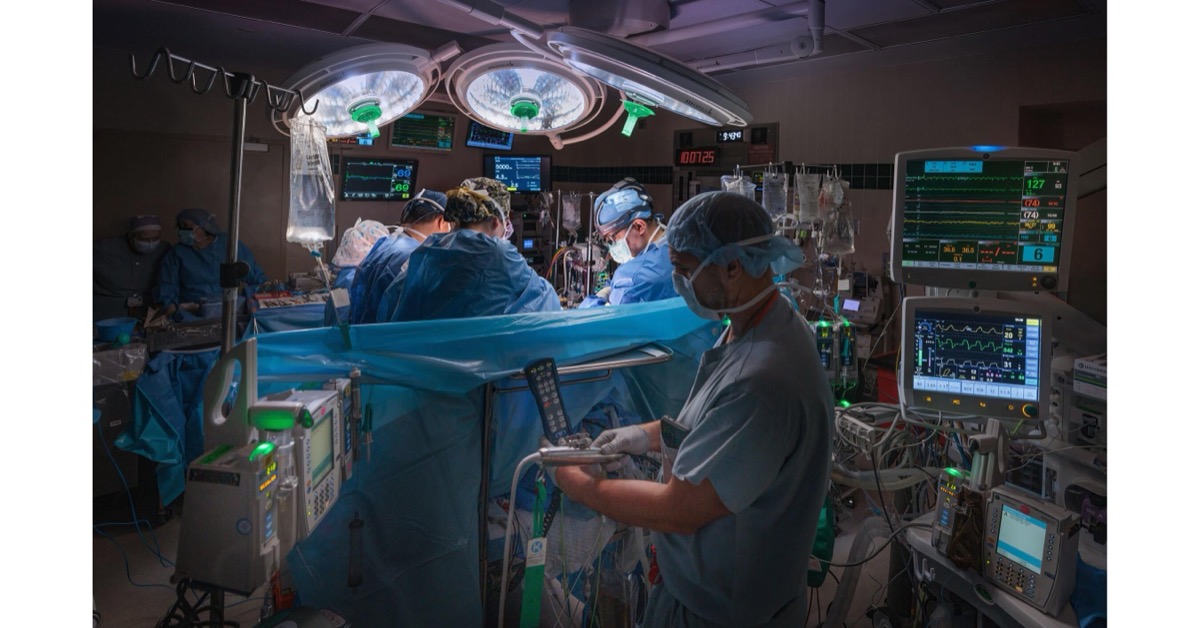
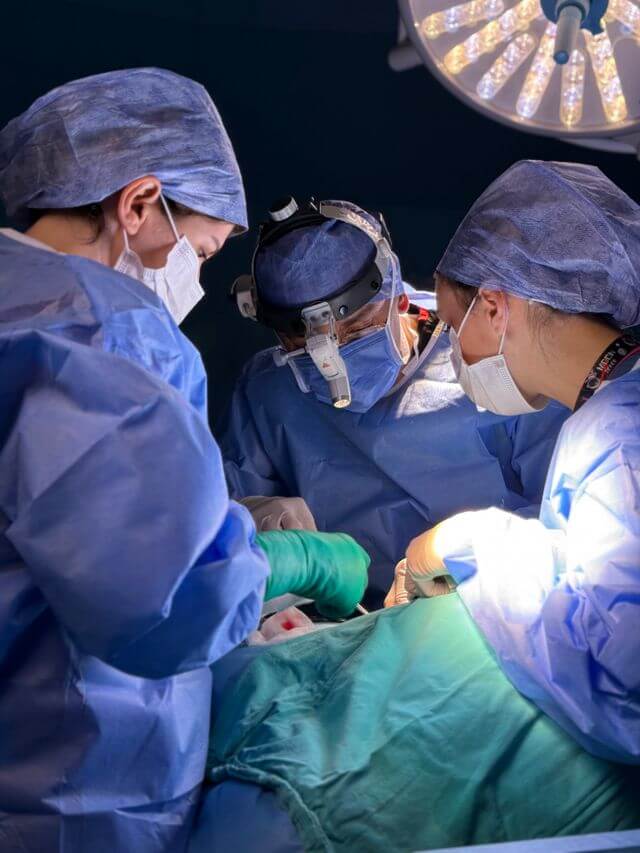
Dr. Yang Zhigang, Deputy Chief Physician of Neurosurgery, led the intervention team. Rather than choosing between two bad options, they deployed a flow-diverting device (dense-mesh stent) — a technology that could solve both problems simultaneously.
How it works:
The device is a tightly woven mesh tube, thinner than a pencil, delivered through a catheter from the groin to the damaged section of the vertebral artery inside the brain.
- Seals the tear — The dense mesh covers the dissection point, redirecting blood flow away from the damaged wall and preventing re-rupture
- Maintains flow — Unlike a conventional clip or coil that blocks the vessel entirely, the flow diverter keeps blood moving through the artery, preserving supply to the brain
- Promotes healing — Over time, the body's own cells grow over the mesh, rebuilding the vessel wall from the inside
Procedure time: just over 1 hour. Blood loss: less than 10 milliliters.
Post-operative angiography confirmed the damaged vessel was repaired and blood flow was fully restored.
The Long Road to Recovery
Saving Zhao Ayi's life was only the beginning. The weeks that followed tested every department at Zhongshan Hospital:
- Neuro-ICU — Managing prolonged coma and respiratory support after tracheotomy
- Infectious disease — Fighting hospital-acquired infections during the critical care phase
- Neurorehabilitation — Rebuilding motor function and cognitive ability
A second procedure was later performed by Dr. Hu Fan's team: a ventriculoperitoneal (VP) shunt — essentially creating a drainage system to relieve dangerous pressure buildup inside the skull, a common complication after severe subarachnoid hemorrhage.
One Year Later
At her one-year follow-up, Zhao Ayi walked into the clinic on her own. Steady steps. Clear speech. Her daughter — who had been 36 weeks pregnant during the crisis — had since delivered a healthy baby.
Three generations, together.

Neurovascular Surgery Cost: China vs Western Countries
| Procedure | China (Zhongshan Hospital) | United States |
|---|---|---|
| Flow-diverting stent placement | $15,000 - $25,000 | $80,000 - $150,000 |
| VP shunt surgery | $5,000 - $10,000 | $30,000 - $60,000 |
| Neuro-ICU (per day) | $500 - $1,000 | $5,000 - $15,000 |
| Neurorehabilitation (per week) | $1,500 - $3,000 | $10,000 - $20,000 |
| Cerebral angiography (diagnostic) | $800 - $1,500 | $5,000 - $10,000 |
China prices include procedure, device, hospital stay, and post-operative imaging.
When Should You Seek Neurovascular Care in China?
This level of neurosurgical intervention is relevant for international patients with:
- Cerebral aneurysms — Bulging blood vessels in the brain requiring stenting or coiling
- Arteriovenous malformations (AVMs) — Abnormal tangles of blood vessels in the brain
- Carotid or vertebral artery dissection — Torn vessel walls causing stroke or hemorrhage
- Moyamoya disease — Progressive narrowing of brain arteries (relatively common in Asian populations)
- Complex stroke cases — Requiring both endovascular intervention and surgical management
About Zhongshan Hospital Neurosurgery
Zhongshan Hospital's neurosurgery department operates at the highest level of complexity in China:
- Affiliated with Fudan University — China's top-3 medical research university
- Full neuroendovascular capability with biplane angiography suites
- 24/7 stroke response team — Critical for time-sensitive neurovascular emergencies
- Located in central Shanghai, with international patient services
Frequently Asked Questions
Can a stroke be caused by two different blood vessel problems at the same time?
Yes, though it is uncommon. A patient can have both a ruptured blood vessel (hemorrhagic component) and a blocked blood vessel (ischemic component) simultaneously. This dual pathology makes treatment extremely challenging because the interventions for each type of stroke can conflict. Only highly experienced neurovascular teams at major centers like Zhongshan Hospital can address both problems in a single procedure.
How does Zhongshan Hospital's neurovascular team handle emergency stroke cases from international patients?
Zhongshan Hospital has a 24/7 neurovascular emergency response team that activates immediately when a stroke patient arrives. International patients in Shanghai can be brought directly to Zhongshan's emergency department. SinomedTrip can also assist with emergency coordination if you or a family member experience a neurological emergency while in China.
What is the typical cost of emergency neurovascular surgery at Zhongshan Hospital compared to the US?
Emergency neurovascular intervention at Zhongshan Hospital typically costs $15,000 to $35,000, including surgery, ICU stay, imaging, and initial rehabilitation. The same treatment in the US would typically cost $80,000 to $250,000 or more. Zhongshan's neurovascular team performs among the highest volumes of these procedures in Asia, with outcomes that match or exceed international benchmarks.
How do I arrange an emergency neurovascular consultation with Zhongshan Hospital from overseas?
For urgent cases, SinomedTrip offers expedited remote consultations within 24 to 48 hours. Submit your brain imaging including CT, MRI, and angiography through our secure portal, and a Zhongshan Hospital neurovascular specialist will review your case and provide a treatment recommendation. For true emergencies requiring immediate travel, SinomedTrip can help coordinate hospital admission and airport medical transport.
What should my family know about supporting me during brain surgery recovery in China?
Plan for your companion to stay 4 to 8 weeks in China during your treatment and initial recovery. SinomedTrip arranges hotel accommodation near the hospital, provides daily interpretation during medical rounds, and helps with practical needs such as meals, transportation, and communication with family back home. Having a family member present significantly improves recovery outcomes and provides essential emotional support.
Need neurovascular care or a second opinion? Request a free consultation →
This article is for informational purposes only and does not constitute medical advice. Always consult a qualified healthcare provider for diagnosis and treatment decisions.